
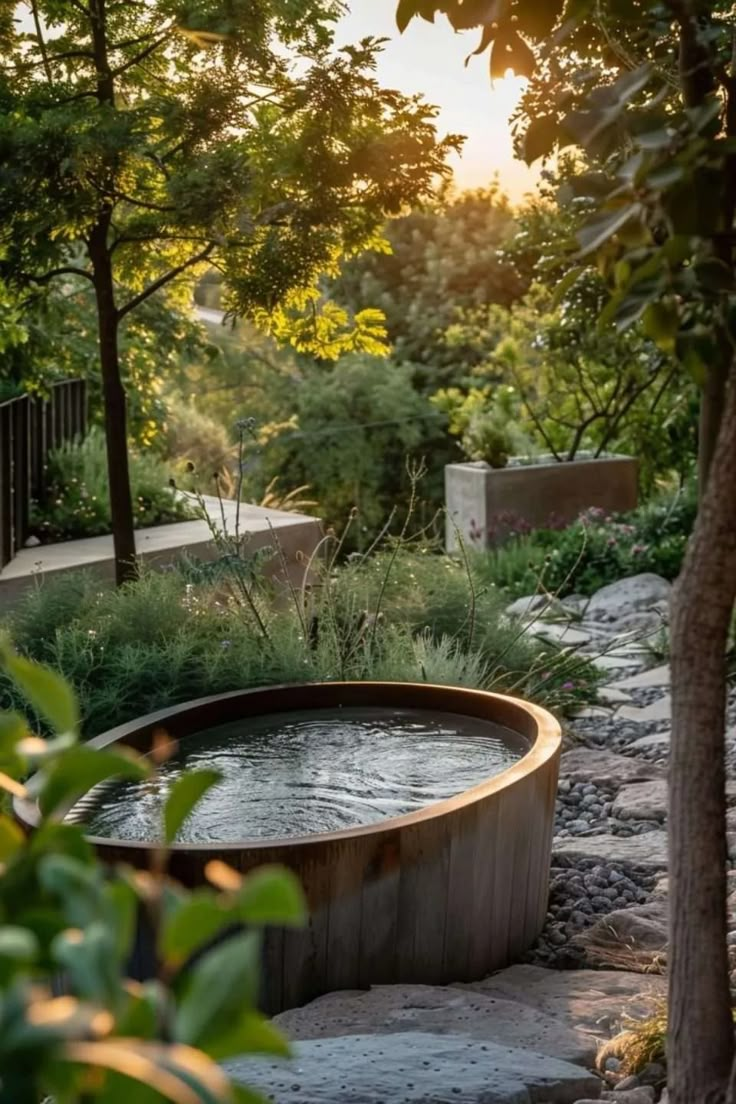
Cold water therapy, once considered extreme, has become a mainstream wellness trend in India in 2025. Urban centres like Delhi, Bangalore, and Pune are seeing a surge in interest for ice baths, cold showers, and guided plunge sessions. The trend reflects a growing awareness of holistic health, with participants motivated by its physical and mental benefits.
Science supports the hype. Cold plunges improve circulation, reduce inflammation, boost immunity, and increase alertness. Regular exposure triggers endorphin release, helping manage stress and anxiety, while also aiding muscle recovery after workouts or long treks. Wellness centres report that even 5–10 minutes of cold immersion produces noticeable improvements in mood and energy levels.
Cold therapy is now accessible beyond professional studios. Google trends reveal growing interest in DIY setups at home, including cold showers, ice buckets, and small plunge tubs. Safety is key: gradual adaptation, proper timing, and monitoring body temperature are essential, especially for beginners. Even simple routines, like alternating cold exposure with deep breathing, can replicate some benefits and make the practice approachable for all.
The trend intersects beautifully with travel and adventure lifestyles. Slow travellers returning from Tirthan Valley or Himalayan treks often incorporate ice baths into recovery routines. After a long day of hiking, immersing in cold water, followed by herbal foot soaks or meditative journaling, enhances both physical recovery and mental clarity. This combination of nature, wellness, and self-reflection embodies India’s 2025 lifestyle ethos: intentional, holistic, and mindful.
Cold therapy is also being paired with other wellness practices. Morning ice showers combined with Ayurvedic oils, yoga, or breathwork enhance energy, focus, and resilience. Wellness influencers and lifestyle coaches increasingly advocate these integrated routines, highlighting how traditional practices and modern techniques can coexist seamlessly.
Even for travellers in smaller towns like Roha, DIY cold water therapy setups are gaining traction. Local communities are experimenting with plunge tubs, and social media content encourages safe adaptation, sharing tips, and encouraging beginners. This accessibility has contributed to the widespread adoption of cold therapy, moving it from a niche practice to a mainstream wellness movement.
Ultimately, cold water therapy reflects a broader trend of proactive self-care. It’s not just about surviving or recovering; it’s about thriving, enhancing energy, building resilience, and cultivating mental sharpness. By combining adventure, travel, and wellness, Indians are redefining what it means to care for the body and mind in 2025.
For More News updates : https://asiapedia.in