
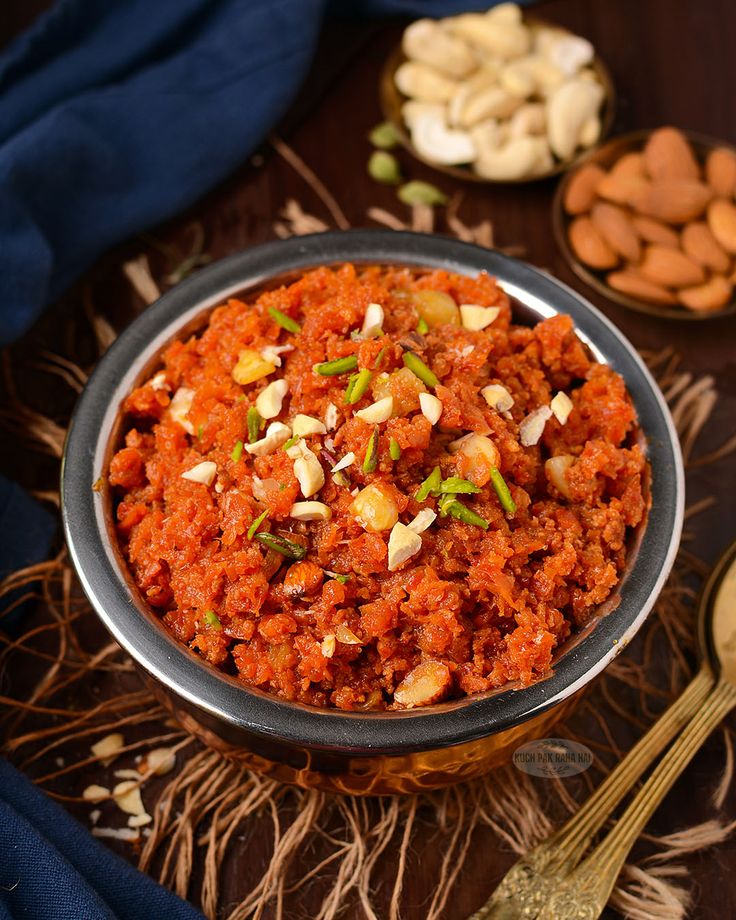
Winter in India is not just felt in the air; it is tasted. Across the country, kitchens transform quietly when the season arrives, guided by climate, local harvests, and centuries of culinary wisdom. Certain foods reappear every year, marking the months from November to February, and vanish once the season passes. These are India’s winter-specific foods, seasonal treasures that belong to this time alone.
The northern plains see a return of hearty, warming ingredients. Carrots, particularly the deep red variety, dominate markets. They are slow cooked into gajar ka halwa, a dessert simmered with milk, ghee, and sugar. Though simple, this dish embodies the rhythm of winter: it requires time, patience, and a slightly cooler temperature to feel complete. Alongside it, sesame seeds and jaggery find their way into laddoos and chikkis, providing concentrated energy during colder mornings.
In Gujarat, winter signals the arrival of undhiyu, a mixed vegetable preparation traditionally cooked in earthen pots. Its identity depends on the seasonal harvest: surti papdi, purple yam, baby potatoes, and fresh fenugreek. The dish exemplifies collective seasonal cooking, using ingredients that are impossible to replicate outside these months. Each bite carries the essence of regional agriculture and climate.
Maharashtra’s winter foods are equally deliberate. Roasted peanuts, jaggery-coated snacks, and mixtures of dried fruits appear in homes and roadside stalls. These items are portable, long-lasting, and energy-dense, perfect for mornings when daylight is limited. Regional variations include til-gud laddoos, sweet, compact bites made of sesame seeds and jaggery, a traditional seasonal snack.
Moving east, Bengal offers subtle winter transformations. Date palm jaggery surfaces briefly, used in sweets such as nolen gur roshogolla or winter-specific payesh. These delicacies are highly perishable and deeply tied to their short harvesting season. The unique taste and texture of these foods cannot be reproduced later in the year, making them particularly valued.
In South India, the approach is gentler but still seasonal. Millets, slow-cooked stews, and pepper-rich dishes are more common in cooler nights. Ingredients like bottle gourd, winter gourds, and certain leafy greens are staples during this time, supporting digestion and warmth without being overly heavy. Coastal regions incorporate local catch in subtle preparations that balance nutrition with the slightly cooler climate.
Markets across India reflect this seasonality. Shoppers instinctively recognize that certain ingredients, fresh root vegetables, specific legumes, jaggery, and dry fruits, appear only briefly. The act of cooking and purchasing these items becomes a subtle ritual, connecting households with the rhythms of agriculture and climate. Vendors, aware of this timing, adjust availability and price accordingly.
These winter-specific foods are not just about sustenance; they foster social and familial traditions. Many dishes are cooked in larger batches, designed to be shared with neighbors or gifted to relatives. Preparing them becomes a form of connection, a reminder that the season is about more than temperature, it is about communal rhythm and continuity.
What is remarkable is the timing. Indian winter foods are instinctive guides to living with the season. Eating these dishes outside their natural period often feels unnecessary, while consuming them during the season feels restorative. They align the body with the climate and connect individuals with a cultural timeline that has persisted for generations.
In essence, winter in India is tasted first through its ingredients. From the plains of the north to the coasts of the south, from deserts to hills, the season announces itself on plates rather than in the air or the calendar. Its culinary markers provide a lens into climate, culture, and regional adaptation, revealing a layer of India that is invisible if one only observes weather or scenery.
By the time the sun strengthens in March, these foods retreat, leaving only memories and anticipation. Their return is awaited, anticipated, and celebrated subtly, reaffirming the wisdom of seasonal living ingrained in Indian kitchens.
For More News updates : https://asiapedia.in