
In a country obsessed with speed, night trains move deliberately. They do not rush. They glide. And somehow, despite flights getting cheaper and highways getting faster, night trains still feel like the most “Indian” way to travel long distances.
For generations, Indians have planned journeys around sleep schedules rather than timetables. Leave at night, arrive by morning. Lose no working day. Wake up in a new city. This logic, simple and practical, is why night trains remain deeply embedded in Indian travel culture. They are not just about reaching a destination; they are about making the journey disappear into rest.
The ritual begins at the platform. Unlike airports, railway stations carry a lived-in chaos that feels oddly comforting. Families sit cross-legged near pillars, sharing home-packed food. Porters weave through crowds with instinctive precision. Vendors shout familiar calls for chai, coffee, and snacks, sounds that feel unchanged even as cities modernize around them. Boarding a night train is rarely silent. It is social, negotiated, and slightly theatrical.
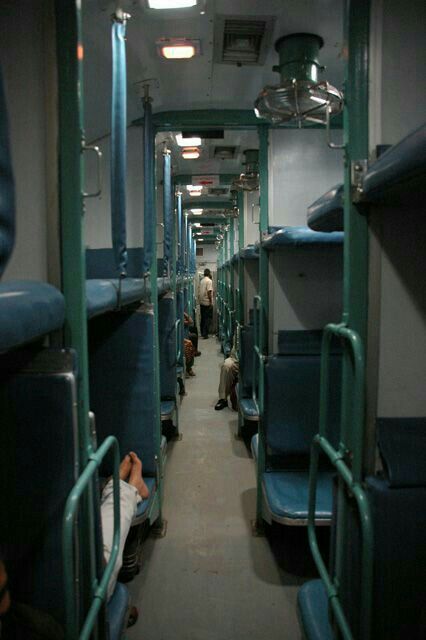
Inside the coach, life compresses. Berths are shared, bags stacked, shoes tucked beneath seats. Strangers become temporary neighbours. Conversations begin over mundane questions: “Upper or lower?” “Where are you getting down?” By midnight, the coach settles into a collective quiet. Reading lights glow. Curtains sway gently. The train becomes a moving dormitory.
What makes night trains unique is the shared surrender to time. There is no pressure to be productive. No expectation to be alert. Sleep arrives unevenly, interrupted by station stops, whistles, and the occasional vendor walking through with tea at dawn. Yet this broken sleep is part of the charm. Waking briefly to see unfamiliar station names rush past feels like travelling through layers of the country while half-dreaming.
December gives night trains a different texture. Coaches fill faster, luggage grows bulkier, and conversations often turn to homecomings. Students return from universities, workers take annual leave, and families travel to visit relatives rather than tourist attractions. The train becomes a corridor of reunions-in-waiting. Even without decorations or announcements, the season is felt in packed berths and shared snacks.
Night trains also level social boundaries. In a single coach, you might find a software engineer, a small trader, a pilgrim, and a student sharing the same space. Unlike flights, which separate by class and cost, trains keep India visible to itself. This quiet coexistence is part of why trains hold emotional weight far beyond their practical function.
By morning, the transformation is complete. Faces look tired but familiar. Platforms smell of fresh tea and damp concrete. Cities reveal themselves slowly through station exits rather than airport glass. You arrive not abruptly, but gradually, easing into place.
Night trains endure because they understand something fundamental about India: travel here is not just about distance. It is about continuity. Moving while resting. Being together while going somewhere else. In a fast-changing country, night trains remain a reminder that some rhythms are worth keeping.
For More News updates : https://asiapedia.in