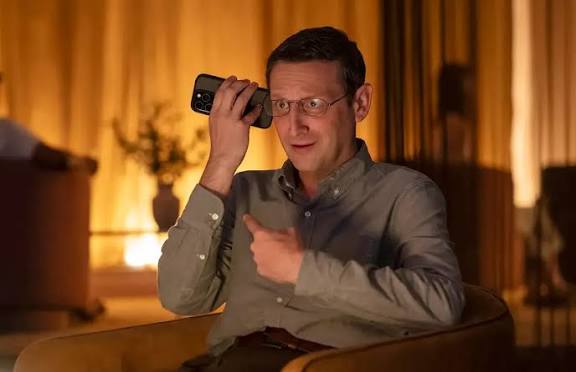
Most workplace shows focus on coffee breaks and office gossip. However, The Chair Company Episode 1 climax proves this series is hunting much bigger prey. What starts as a relatable satire quickly spirals into a dark, conspiratorial nightmare. It is one of the most effective genre shifts in recent television history.
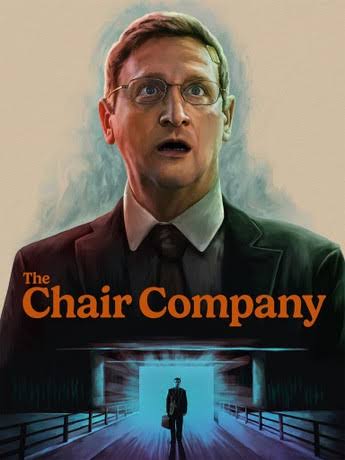
The Art of the Slow Reveal
Initially, the show feels light. We follow the protagonist through a world of ergonomic chairs and corporate jargon. But as we approach The Chair Company Episode 1 climax, the tone shifts. The humor stays, but it becomes “black comedy.” The office begins to feel less like a workplace and more like a laboratory.
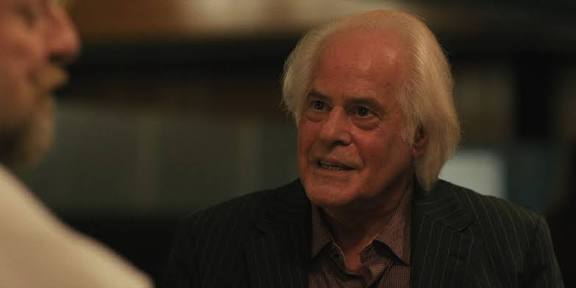
The director uses “Aggressive Mundanity” to build tension. Every squeaky wheel and flickering light bulb feels like a warning. This builds a bridge to the final reveal, making the conspiracy feel grounded and terrifyingly real.
Why the Climax Changes Everything
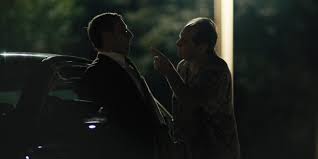
In the final ten minutes, the protagonist discovers a hidden layer of biometric tracking within the company’s furniture. This is the heart of The Chair Company Episode 1 climax. It isn’t just about selling chairs; it is about harvesting human behavior.
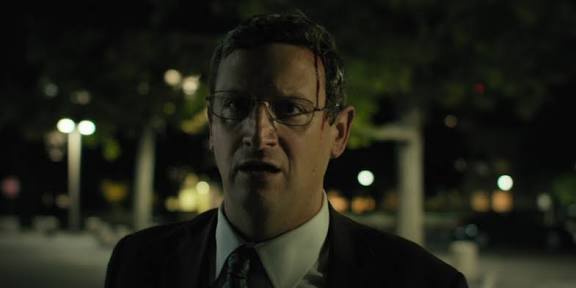
Key elements that make this climax work:
- Relatability: We all use office furniture, making the threat feel personal.
- Cinematography: The camera angles shift from wide to claustrophobic.
- Sound Design: The silence in the final scene is louder than any explosion.
Furthermore, the writing avoids cliché “villain” tropes. Instead, it shows us that the “system” is the villain. For those interested in [Internal Link: The Evolution of Modern Thrillers], this episode is a perfect example of “Quiet Horror.”
A New Standard for Corporate Thrillers
The brilliance of The Chair Company Episode 1 climax lies in its realism. It doesn’t rely on sci-fi gadgets. Instead, it uses everyday technology to create dread. This makes the audience question their own surroundings long after the episode ends.
Consequently, the show has set a high bar for the rest of the season. It reminds us that in the corporate world, you aren’t just an employee; you are a data point.
To understand more about the director’s vision, you can read the full [Outbound Link: Creator Interview on The Chair Company] regarding the show’s unique visual style