
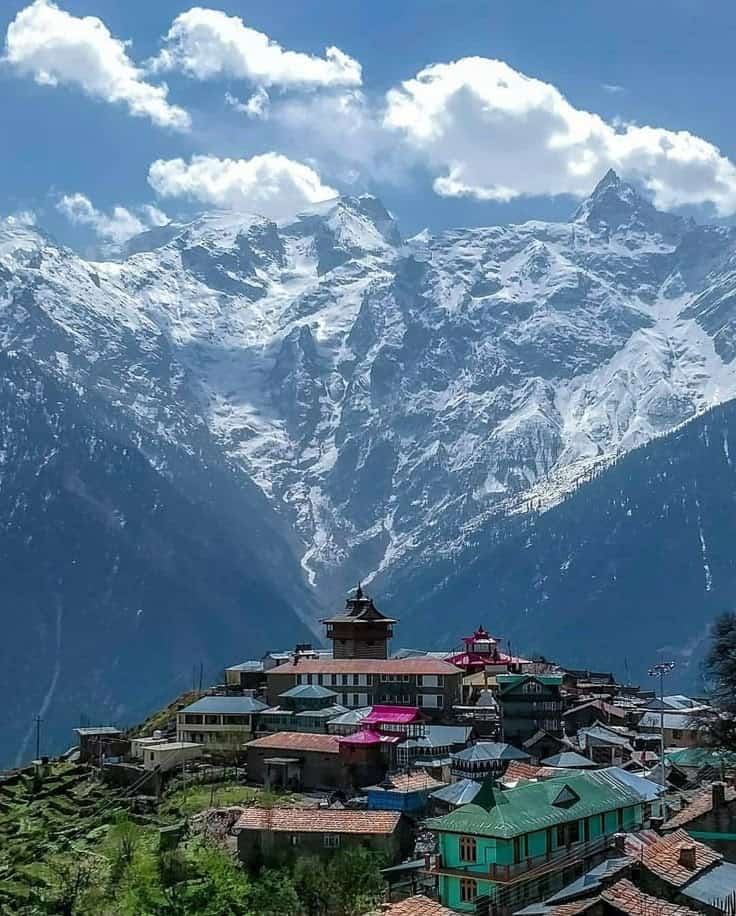
Not all hill towns chase itineraries. Some wake up late, stretch slowly, and see no reason to apologise for it.
In these places, mornings do not announce themselves loudly. Shops open when owners arrive, not at fixed hours. Streets remain quiet long after sunrise. Mist lingers without being photographed. Breakfast is not rushed because nothing is chasing it.
The geography itself enforces slowness. Steep roads discourage speed. Thin air invites pause. Walking becomes the default pace. Conversations happen standing still, leaning against walls, watching clouds drift instead of screens refresh.
Unlike popular tourist hubs, these hill towns operate for residents first. Daily life is built around weather, supply trucks, and daylight. A delayed delivery is accepted calmly. Plans bend without breaking.
Afternoons belong to routine. School children return home. Elderly residents sit outside, absorbing warmth. Local cafes serve the same people daily, not chasing novelty menus or hashtags.
Evenings settle early. Temperatures drop. Lights come on one by one. People retreat indoors, not to scroll endlessly, but to talk, read, or simply rest.
Visitors often find this pace unsettling at first. The absence of urgency feels unfamiliar. But by the second or third day, something shifts. Time feels fuller, not emptier.
These hill towns teach an overlooked lesson: productivity is not always speed. Sometimes it is consistency. Sometimes it is knowing when to stop.
For More News updates : https://asiapedia.in