
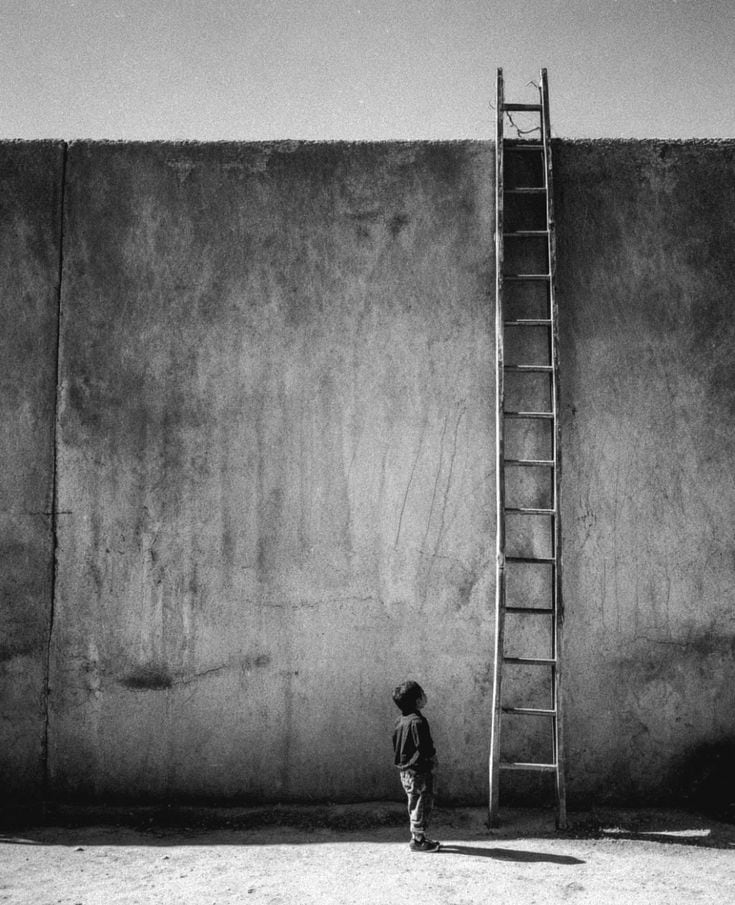
India has always been a country of quiet reinvention. Not the dramatic kind celebrated in headlines, but smaller, persistent beginnings that happen without ceremony. Starting over here rarely announces itself. It simply begins.
Generations have grown up watching parents, grandparents, and neighbours adapt without naming it resilience. A family relocates for work, language shifts, routines change, and life continues. Starting over is treated less as a crisis and more as a phase, temporary, navigable, human.
Migration plays a central role. From villages to cities, from small towns to unfamiliar states, Indians are constantly recalibrating. New kitchens, new streets, new social rules. The ability to rebuild daily life from scratch becomes a learned skill. You figure things out because you must, not because you planned to.
Culturally, India normalizes layered identities. People belong to more than one place, language, or tradition at once. This flexibility makes reinvention less threatening. Losing one version of yourself does not mean losing everything. There is always another context waiting.
Even rituals reflect this comfort with renewal. Festivals mark endings and beginnings repeatedly throughout the year. Failure is rarely framed as final; it is folded into cycles. There is an unspoken understanding that life will reset itself many times.
Urban India offers another perspective. Careers shift, aspirations change, and survival often requires improvisation. People reinvent themselves professionally without erasing their past. A failed attempt is not an identity; it is a chapter.
What makes this particularly Indian is the lack of spectacle around it. Starting over is not romanticised. It is practical. You adjust, you adapt, you continue. The emphasis is on continuity, not reinvention as performance.
This ability matters in a world obsessed with fixed success narratives. India quietly teaches that starting over is not weakness; it is fluency in change. The skill lies not in avoiding disruption, but in moving through it without losing yourself.
Perhaps that is why endings feel less absolute here. Life, in its many forms, has always insisted on continuation.
For More News updates : https://asiapedia.in