
Travel in India often begins with maps, apps, and itineraries, but quickly, the city teaches you to move differently. Before you notice landmarks, before you form memories, before you even understand the culture fully, your body adapts. Walking becomes your first lesson in observation, patience, and negotiation.
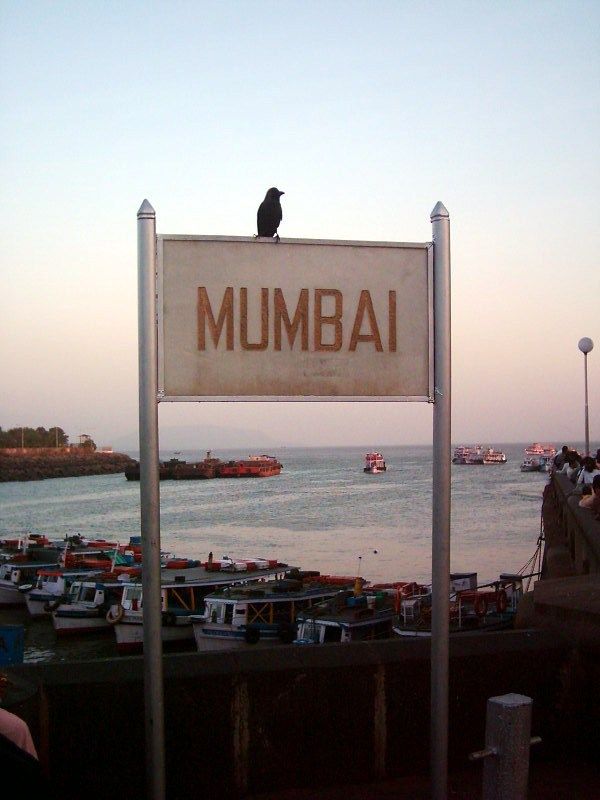
In Mumbai, walking is an unspoken choreography. Pavements vanish into chaos. Traffic signals suggest, rather than command. Street vendors, cyclists, pedestrians, and cows converge in an unpredictable symphony. Here, your stride shortens. Your shoulders tense. You begin making eye contact instead of relying on signs. You don’t walk through Mumbai; you walk with it.
Contrast that with a temple town like Madurai or Ujjain, where walking transforms into ritual. Stone floors worn smooth by centuries demand care. Shoes come off, and your feet learn to pause naturally. Circles replace straight paths. Even the air feels sacred. Walking becomes slow, deliberate, almost meditative. Speed feels disrespectful. Your body learns patience long before your mind does.
Then there are the hill towns, such as Mussoorie, Kalimpong, and Chamba, where gravity negotiates its own terms. Steps are uneven, breath becomes audible, and posture adjusts to the terrain. Every incline teaches awareness. Every descent, control. Walking here is an endurance lesson disguised as leisure. You start respecting space, limits, and effort. The journey becomes as much about your body as the destination.
Indian cities also teach situational walking. Narrow lanes demand humility. Railway platforms require flow management. Crowded markets reward lateral agility and tolerance. You negotiate micro-spaces with strangers, without words. Over time, the body internalizes awareness as instinct. It’s a subtle but profound education: movement is social, not just individual.
Even sensory input changes your gait. The smell of incense in Varanasi slows steps. Street noise in Delhi demands alertness. Monsoon puddles in Konkan force detours that teach improvisation. Your body absorbs culture before your mind can articulate it.
The impact lingers after the journey. Travellers return home walking differently, more alert, less entitled to space, more conscious of rhythm. Indian streets dismantle the illusion that movement is purely personal. Walking is collective choreography. The city becomes a silent teacher, its lessons in endurance, mindfulness, and negotiation.
Even your pace shifts beyond travel. Indian walking teaches a new way of inhabiting the world. Steps become softer in crowded areas, pauses become more natural, and an increased awareness of the surrounding life emerges. You notice the small, the fleeting, the flowers on a balcony, the gaze of a street dog, the laughter spilling from a tea stall. Your body becomes part of the city’s memory, not just an observer.
Ultimately, Indian cities offer a rare kind of education: one without textbooks, one that reshapes how you inhabit space, time, and movement. The lesson is clear: move attentively, pause generously, and always negotiate your path with respect for others.
Walking is no longer just walking; it’s learning to live.
For More News updates : https://asiapedia.in