
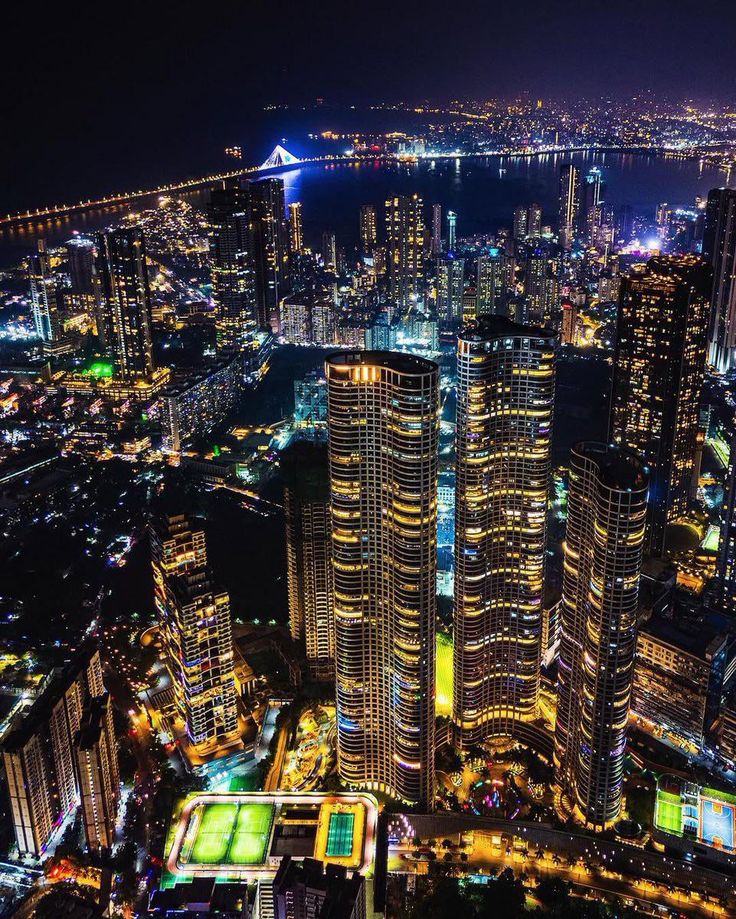
For a long time, Indian cities treated night as a pause button. After sunset, public life narrowed. Streets emptied. Activity became functional rather than social. The city rested, or rather, withdrew.
That pattern is changing.
Across India, urban spaces are slowly adapting to lives that don’t follow a single clock. Remote work, gig economies, late-shift industries, global schedules, and flexible routines have created citizens who move, eat, and gather well past traditional hours.
Food has led this transformation. Late-night eateries, chai stalls, food streets, and cafés have multiplied, not as nightlife hubs, but as social anchors. These spaces allow people to exist outdoors without pressure. Eating becomes a reason to linger, to talk, to occupy the city after dark.
Transport has followed. Extended metro hours, night buses, app-based mobility, better-lit stations, and improved last-mile connectivity signal institutional acknowledgment that night movement is normal, not suspicious.
Safety infrastructure is central to this shift. Improved lighting, CCTV coverage, visible policing, women-focused safety measures, and emergency helplines have changed how people perceive night travel. While challenges remain, fear is no longer the default response to darkness.
What’s notable is that Indian night culture is not copying Western nightlife. It isn’t driven by clubs or exclusivity. Instead, it revolves around accessibility, food, conversation, public seating, walkable streets. Night here is becoming slower, calmer, and more communal.
There’s also an emotional appeal. Night offers Indian cities at a gentler volume. Traffic reduces. Heat eases. Conversations deepen. For many, nighttime is when cities finally breathe.
This rise of night-friendly public spaces reflects a maturing urban identity, one that accepts that life doesn’t stop after sunset, and neither should the spaces that support it.
For More News updates : https://asiapedia.in