
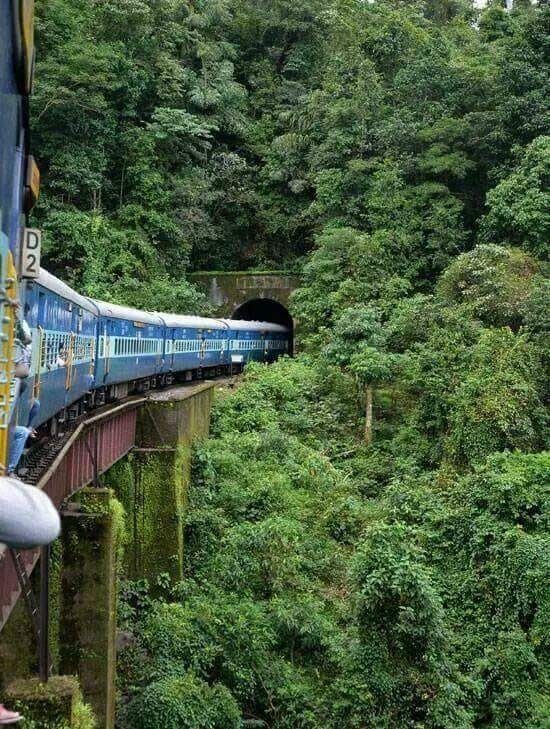
Indian travel is changing in a way that doesn’t announce itself loudly. There are no flashy campaigns or viral slogans. Instead, the shift is visible in smaller decisions, choosing a river trail over a resort buffet, a forest homestay over a hotel chain, a quiet village road over a crowded viewpoint.
This is the rise of nature-first travel, where landscape is not a backdrop for activities but the main reason to go.
For decades, Indian tourism revolved around landmarks. Hills meant hill stations. Beaches meant party belts. Forests meant safaris with fixed routes and rigid schedules. Travel was designed to show, not to hold. You arrived, clicked, consumed, and moved on.
That model is wearing thin.
Today’s travellers, especially younger Indians and urban professionals, are not necessarily seeking novelty. They are seeking relief. Relief from constant digital exposure, crowded cities, performance-driven lifestyles, and rushed itineraries. Nature offers something cities cannot: permission to slow down without guilt.
From Destination-First to Feeling-First Travel
What defines nature-first travel is intention. People are not asking, “What is famous here?” but “How will I feel here?”
Search patterns show a rise in interest around river walks, forest bathing, backwater stays, low-impact treks, birding trails, and quiet landscape hubs that sit far outside mainstream tourism circuits. These places are often unnamed on social media, difficult to package, and deliberately underdeveloped. Unlike traditional tourism, nature-first travel values absence, fewer crowds, fewer schedules, fewer distractions. Silence becomes an asset. Distance becomes desirable. Connectivity is optional.
This shift reflects a broader lifestyle change. Travel is no longer an escape from life; it is a correction to it.
Mental Health, Burnout, and the Geography of Healing
One of the strongest drivers of this trend is mental well-being. Indian conversations around stress, burnout, anxiety, and emotional fatigue have become more open. As a result, travel is increasingly viewed as emotional maintenance rather than indulgence. Forests regulate the nervous system. Water bodies slow breathing. Open landscapes restore attention. These are not abstract ideas anymore; they are becoming lived experiences. Nature-first travel doesn’t promise transformation. It promises regulation: steadier moods, better sleep, quieter thoughts. That subtlety is exactly why it resonates.
Instead of itineraries packed with sightseeing, travellers now build days around walking, observing, sitting, listening. A riverbank becomes enough. A shaded trail replaces entertainment. Time expands.
The Rise of Small Nature Clusters
Unlike mass tourism, this movement thrives in small clusters rather than famous destinations. These could be forest villages, wetland regions, slow river belts, coastal hamlets, plateau grasslands, or lesser-known mountain valleys. What connects them is scale. These landscapes cannot host thousands without losing their essence, and travellers increasingly understand that.
Homestays, eco-lodges, and community-run stays have become central to this model. They allow visitors to enter ecosystems without overwhelming them. Hosts act as guides, storytellers, and custodians rather than service providers.
The experience becomes relational rather than transactional.
A Different Kind of Memory
What people carry back from these journeys is different. There are fewer photographs, but stronger impressions. The smell of wet soil. The sound of insects at dusk. The feel of cold water around ankles. The slow rhythm of daylight. These memories don’t age quickly. They don’t need validation. They settle quietly into daily life, resurfacing during stressful moments.
That may be the most powerful reason this trend is growing. Nature-first travel doesn’t end when the trip does. It alters how people return.
Why This Trend Is Here to Stay
This is not a reactionary trend or a passing phase. It aligns with deeper shifts in how Indians view time, success, and well-being.
As cities grow louder and lives grow faster, quiet landscapes will become more valuable, not less. As awareness around sustainability increases, travel that consumes less will feel more ethical. As burnout becomes common, rest will become intentional.
Nature-first travel is not about abandoning ambition or comfort. It is about recalibrating priorities. India has always held immense ecological diversity. What’s changing is how people approach it, with patience, humility, and care.
And perhaps that’s the most hopeful part of this movement: travel that doesn’t conquer landscapes, but listens to them.
For More News updates : https://asiapedia.in