
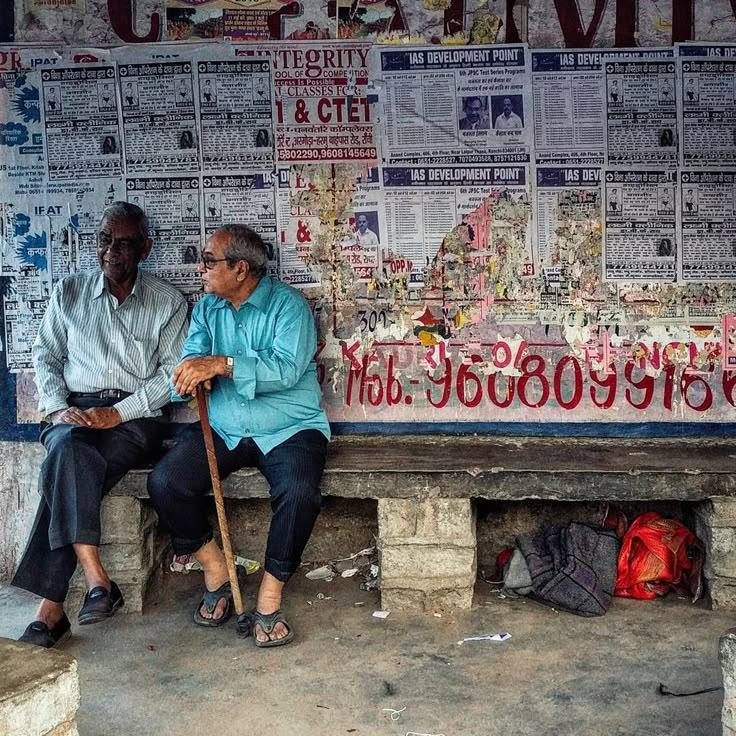
In India, waiting is not an interruption to travel. It is the travel.
You wait at bus stands where destinations are announced through gestures more than words. You wait on railway platforms where time stretches, contracts, and occasionally dissolves. You wait at ghats, at ferry points, outside temples, at mountain check-posts, and roadside tea stalls where “five minutes” can mean anything from instant to indefinite.
For many first-time travellers, this feels inefficient. But for those who stay long enough, waiting becomes a quiet teacher.
Indian travel does not reward urgency. It rewards presence. When plans slow down, attention sharpens. You start noticing who else is waiting. A family sharing snacks on a platform. A porter resting against luggage. A vendor pacing his familiar route. Waiting pulls you out of control and places you inside observation.
Unlike structured retreats that promise mindfulness, Indian waiting spaces offer it unintentionally. There are no instructions to breathe or reflect. Life simply unfolds in front of you. Conversations start without agenda. Strangers explain routes, offer advice, ask where you’re from. Silence is broken easily, but meaning forms quietly.
Waiting also dissolves hierarchy. On a delayed train, everyone is equal, professionals, pilgrims, tourists, workers. Time belongs to no one. This shared pause creates a temporary community bound by patience rather than productivity.
In urban life, waiting is framed as waste. In Indian travel, it becomes a buffer, a space between intention and arrival. These buffers soften journeys. They allow emotional adjustment. They slow internal rhythms before landscapes change.
There’s a reason many travellers remember waiting moments more vividly than destinations. The conversations had. The thoughts processed. The stillness experienced unintentionally.
Indian travel doesn’t teach patience through instruction. It teaches it through inevitability. And once learned, that patience travels back with you, into traffic, daily routines, and everyday frustrations.
Sometimes the most transformative part of a journey is not where you go, but how long you are asked to wait along the way.
For More News updates : https://asiapedia.in