
Travel in India no longer announces itself as an expense. It slips quietly into everyday spending habits, reshaping how people think about money without deliberate intention.
A decade ago, travel spending felt distinct, tickets booked in advance, hotel bills paid upfront, budgets planned roughly. Today, travel spending is fragmented, fluid, and largely invisible. Small digital payments replace large conscious decisions. A snack here, a cab there, a quick UPI scan for tea, water, entry tickets, shared autos, tips, and impulse purchases. None feel heavy. Together, they redefine spending behaviour.
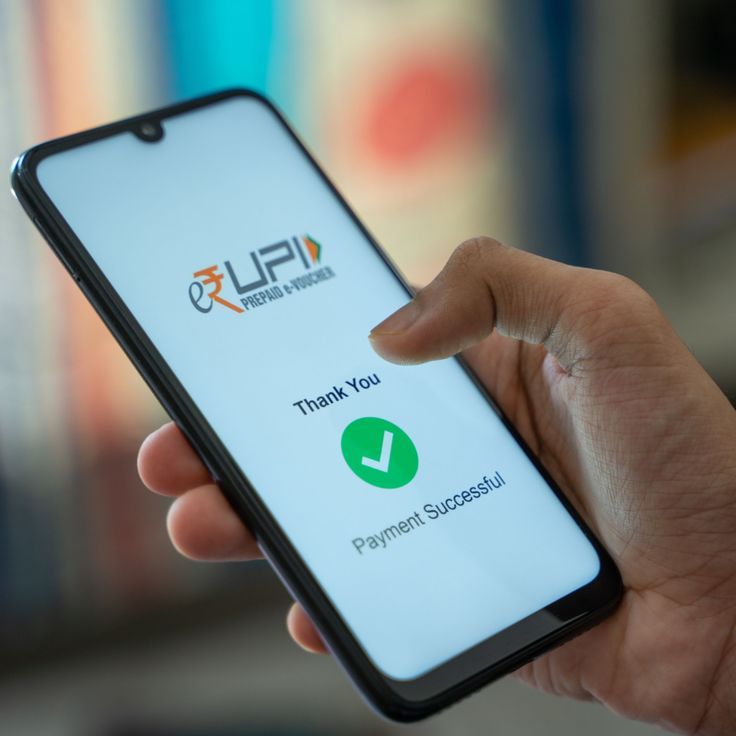
UPI has played a major role in this shift. When cash disappears, friction disappears with it. Travellers no longer feel the “pain” of payment the same way. Money moves instantly, quietly, without ceremony. The result is less hesitation and more frequency. Travel becomes financially lighter in feeling, even if not in reality.
Shared spending has also changed habits. Groups split bills effortlessly. One person pays; others transfer. This reduces individual accountability and increases comfort with spontaneous decisions, extending stays, upgrading transport, eating out more often.
Bargaining, once central to Indian travel, is slowly losing emotional weight. Digital payments fix prices, reduce negotiation, and normalize standard rates. This subtly shifts how travellers perceive value; convenience begins to matter more than savings.
These habits don’t end when travel does. People return home more comfortable with micro-spending, less attached to physical cash, and more willing to pay for convenience. Travel becomes a training ground for modern consumption.
Interestingly, this shift is not about extravagance. It’s about flow. Money moves as part of experience rather than interruption. Travel teaches Indians to spend in fragments, a habit that quietly carries into daily urban life.
Travel, in this way, doesn’t just take money. It teaches new ways to release it.
For More News updates : https://asiapedia.in