
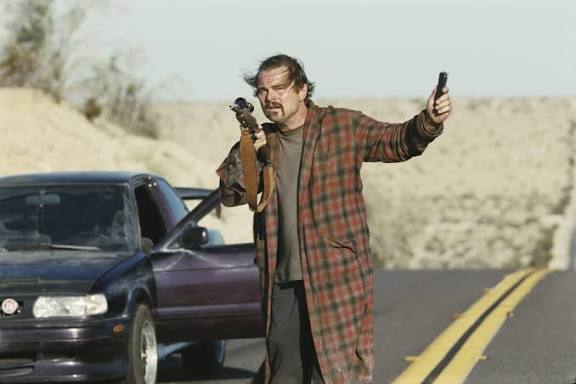
One Battle After Another Oscar journey proves that cinema doesn’t always need noise to make history — sometimes, silence is powerful enough to reshape the Academy itself.
Cinema has always been about moments — moments that quietly shift history. And the Academy Awards, One Battle After Another Oscar often criticised for playing it safe, finally witnessed one such rare moment with One Battle After Another. The film didn’t just enter the Oscar conversation; it reshaped it.
For the first time in Academy history, director Sinha achieved something that had remained elusive for decades. After receiving a Best Director nomination earlier in his career, One Battle After Another Oscar he returned with One Battle After Another — a film that didn’t merely secure nominations but stood tall as a defining cinematic achievement. Together, these two films created a historic bridge between 1998 and 2026, marking a rare continuity of artistic recognition across generations.
A Film That Refused to Be Ignored
One Battle After Another isn’t a loud film. It doesn’t beg for attention with spectacle or excessive dramatics. Instead, it unfolds patiently, trusting its audience to lean in. One Battle After Another Oscar That confidence is precisely what made it resonate with the Academy.
Set against a deeply human conflict, the film explores the cost of persistence — not just on the battlefield, but within the soul. Sinha’s direction is restrained yet piercing, allowing silences to speak louder than monologues. It is cinema that breathes, pauses, and lingers long after the screen fades to black.
This year’s Oscar race was fiercely competitive, making the film’s recognition even more significant. The Best Picture shortlist featured an impressive and diverse lineup: Bugonia, F1, Frankenstein, Hamnet, Marty Supreme, One Battle After Another, The Secret Agent, Sentimental Value, Sinners, and Trained Dreams. Yet among these, One Battle After Another stood out for its emotional maturity and narrative clarity.
Leonardo DiCaprio’s Quiet Triumph
Awards seasons often reward transformation. This year, they rewarded restraint.
Leonardo DiCaprio’s performance in One Battle After Another earned him a Best Actor nomination, and rightly so. One Battle After Another Oscar Stripping away theatrical flourishes, DiCaprio delivers one of the most controlled performances of his career. His character is burdened by memory rather than action, regret rather than rage. It is a performance built on internal conflict, conveyed through glances, hesitation, and emotional fatigue.
In a year packed with powerhouse performances, the Best Actor category was exceptionally strong. Timothée Chalamet impressed audiences with Marty Supreme, Ethan Hawke delivered subtle brilliance in Blue Moon, Michael B. Jordan brought intensity to Sinners, and Wagner Moura stunned in One Battle After Another Oscar The Secret Agent. Yet DiCaprio’s nomination felt inevitable — not because of his star power, but because of how deeply he disappears into the film’s emotional core.
Direction That Chooses Restraint Over Noise
The direction of One Battle After Another stands out for its quiet confidence and emotional control. Instead of relying on dramatic excess or visual spectacle, the film is guided by a deliberate, patient hand that allows moments to unfold naturally. Scenes are given space to breathe, silences are treated as storytelling tools, and performances are never rushed for effect.
What makes the direction particularly striking is its trust in the audience. The filmmaker avoids explaining emotions through dialogue, choosing instead to let expressions, pauses, and framing do the work. This restrained approach creates an intimacy that feels rare in contemporary cinema, especially in an era dominated by fast cuts and heightened drama.
By prioritising character psychology over plot mechanics, the direction turns One Battle After Another into a deeply reflective experience. It is this clarity of vision — calm, focused, and emotionally grounded — that elevates the film beyond a conventional awards contender and places it firmly within serious Oscar conversations.
A Global Oscar Year — India Steps In
One of the most encouraging aspects of this year’s Oscars was the global representation. Indian cinema, often sidelined, One Battle After Another Oscar made its presence felt with multiple films being considered.
Kantara: Chapter 1, Tanvi the Great, Dasavatar, and Homebound found themselves in serious Oscar conversations. Though Homebound eventually fell out of the final race, its journey itself signalled a shift. Indian narratives rooted in culture, mythology, and emotion are no longer viewed as niche — they are being evaluated on equal artistic footing.
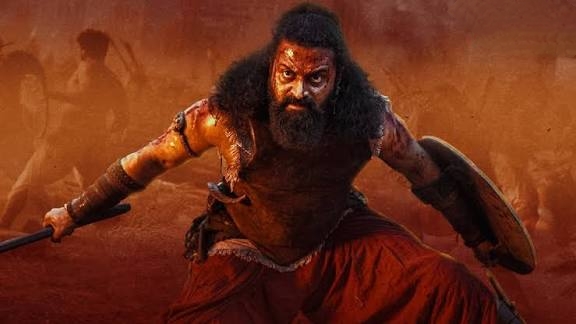
Kantara Chapter 1
https://yourwebsite.com/kantara-chapter-1-oscar-buzz
This isn’t just progress; it’s validation.
Why One Battle After Another Matters
Beyond awards, One Battle After Another matters because it restores faith in storytelling. It reminds us that cinema doesn’t need to shout to be powerful. One Battle After Another Oscar It can whisper, observe, and still leave an impact.
In a year dominated by spectacle-driven films, this film chose introspection. In a season crowded with noise, it chose silence. And in doing so, it earned its place in Oscar history.
From Sinha’s evolving legacy to DiCaprio’s refined performance, One Battle After Another Oscar from global recognition to Indian cinema’s growing footprint — this Oscar year will be remembered not for shock wins, but for meaningful acknowledgment.
Sometimes, history isn’t made with applause.
Sometimes, it’s made quietly — one battle after another.