
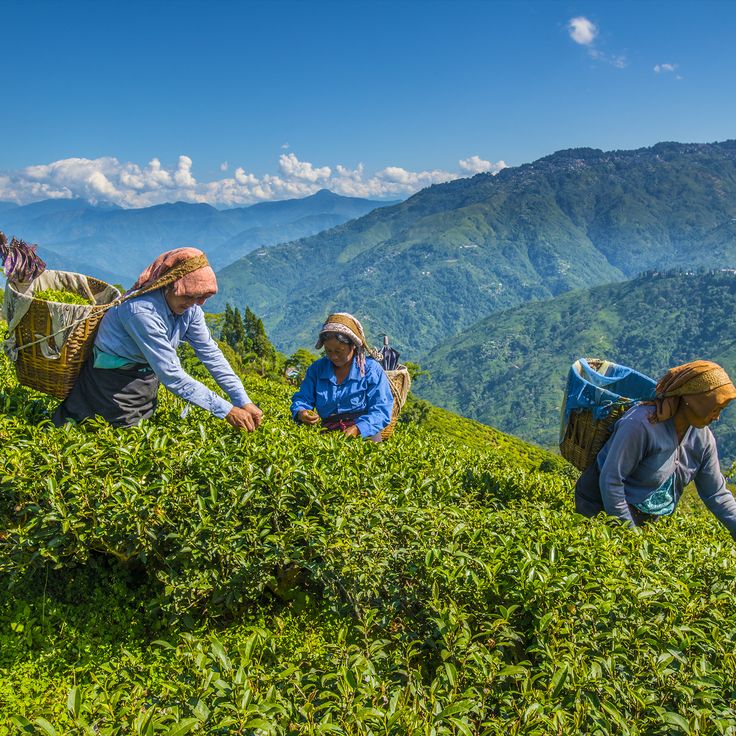
Scroll through travel content online and you’ll find sunsets, balconies, passports held up against skies, coffee cups near windows. What you won’t find is the labour that makes movement possible, the hands that lift, clean, guide, carry, and wait while others move freely.
Indian travel runs on invisible workers. Porters at railway stations who read your urgency before you speak. Cleaners who reset overnight trains before dawn, so they feel untouched by yesterday. Drivers who know shortcuts no map suggests. Helpers who sleep in corners of buses, stations, dhabas, always present, rarely acknowledged.
This labour isn’t accidental. It’s systemic invisibility. Travel aesthetics have taught us to erase effort from the frame. Movement is sold as smooth, aspirational, frictionless. But Indian travel is deeply physical, deeply human, and held together by people whose work begins before your journey and ends long after you leave.
At pilgrimage sites, workers carry loads heavier than themselves while visitors speak of spiritual lightness. In hill stations, locals haul supplies up narrow roads so cafés can sell “escape.” On beaches, early-morning cleaners erase evidence of night tourism before the first camera clicks. These workers are not background characters; they are the infrastructure.
What makes this labour particularly complex is how normalized it feels. Many workers don’t announce their exhaustion. They don’t frame their work as sacrifice. It’s routine, inherited, expected. Generations grow up knowing routes, stations, shifts, seasons. Travel doesn’t disrupt their lives; it is their life.
Yet digital travel culture rarely pauses here. The algorithm rewards solitude, luxury, and “effortless discovery.” The result is a distorted narrative: journeys appear self-made. The worker disappears.
Noticing this labour changes how you move. You begin to see timing as coordination, not coincidence. Cleanliness as effort, not default. Comfort as collective work. You realize that no journey is solo, it is assembled.
This isn’t a call for guilt. It’s a call for recognition. Ethical travel begins with seeing. Naming. Respecting. Paying attention to who stays behind when the train moves on.
Because the most honest travel stories aren’t just about where you went, they’re about who made it possible for you to go at all.
For More News updates : https://asiapedia.in