
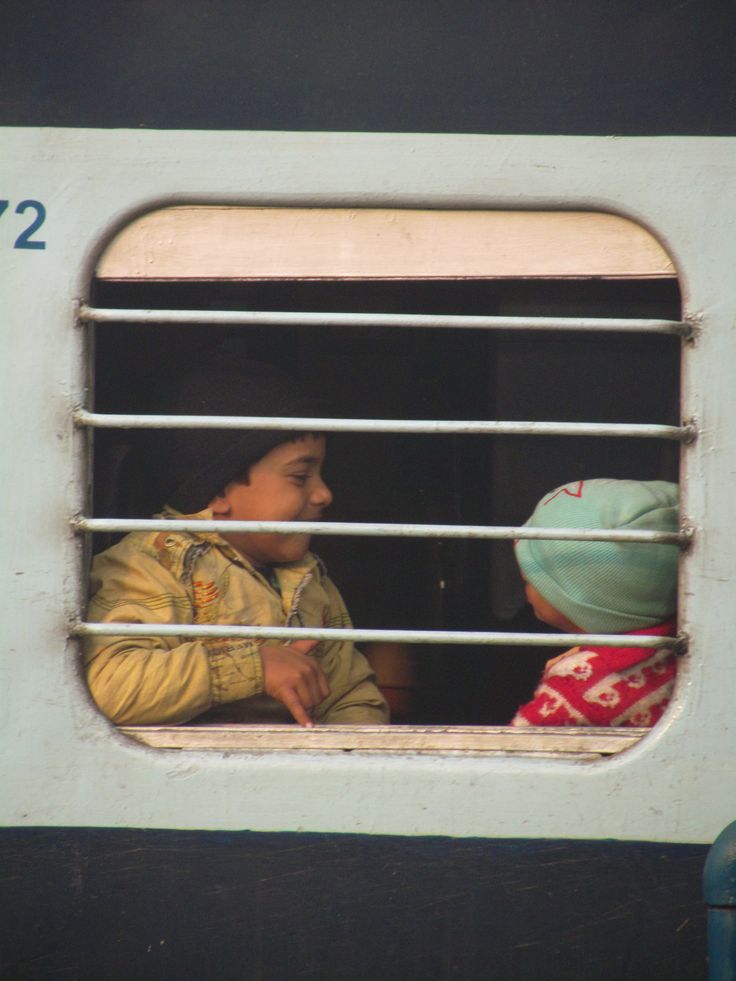
Few travel experiences feel as sharp and cinematic as watching a train pull away without you. A missed train is not just a logistical inconvenience; it is an emotional event. In travel and lifestyle narratives, timing often becomes a metaphor for control, opportunity, and the fragile illusion that life runs on schedule.
Travel depends heavily on timing. Departures, arrivals, connections, check-ins, every journey is a choreography of minutes. When one step fails, the entire plan collapses. That moment when doors close or platforms empty triggers frustration, guilt, and helplessness. We replay decisions: leaving five minutes earlier, choosing a different route, walking faster. The mind searches for alternate timelines where everything worked out.
Psychologically, missing a train confronts us with a truth we often avoid: we cannot control everything. Modern lifestyles are built on efficiency, productivity, and punctuality. We believe good planning guarantees good outcomes. Travel exposes the limits of that belief. Traffic jams, delays, weather changes, and human error remind us that timing is partly skill and partly chance.
There is also a deeper emotional layer. Missed transport often symbolizes missed opportunities in life, jobs not taken, calls not made, relationships not pursued. The platform becomes a stage where regret briefly takes physical form. Watching others move forward while we remain behind mirrors social comparison in everyday life. Travel amplifies this feeling because movement is visible and immediate.
Yet missed trains also create unexpected pauses. Forced waiting can lead to new routes, unplanned conversations, different cities, or simply time to think. Many travel stories begin with disruption. When the original path collapses, alternative experiences emerge. From a lifestyle perspective, this reflects resilience, the ability to adapt when plans fail.
Culturally, societies differ in how they react to delays. In high-speed urban environments, missing a train feels like personal failure. In slower travel cultures, delays are treated as part of the journey. This difference reveals how modern lifestyles have tied self-worth to punctuality and control.
The emotional cost of timing is not just stress; it is the weight of expectations we place on ourselves. Travel magnifies this because journeys are symbolic transitions, holidays, career moves, and reunions. When timing fails, it feels like life itself is off track.
But trains run again. Routes change. New tickets are booked. Travel quietly teaches that life rarely follows a single schedule. Sometimes the missed departure becomes the story we remember most, not because it was perfect, but because it forced us to loosen our grip on certainty.
For More News updates : https://asiapedia.in