
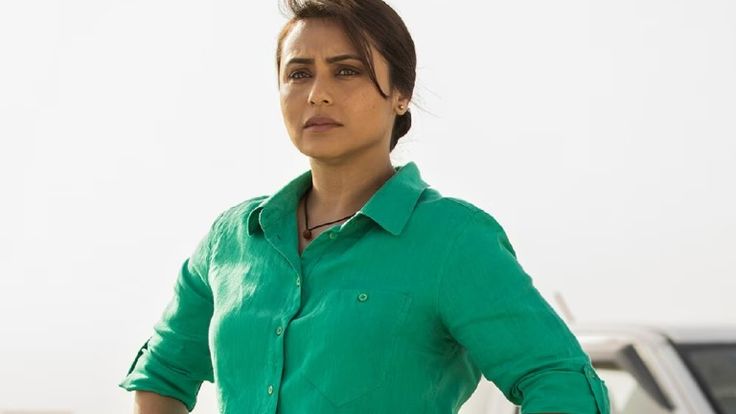
Rani Mukerji, one in all Bollywood’s most precious and enduring performers, is as soon as once more on the middle of a significant dialog in Hindi cinema, this time sparked through her reflections on Mardaani 3 and girls’s roles in movie. Her feedback these days mirror each non-public dedication to her craft and a broader shift in how female-led tales are formed in mainstream Indian leisure.
Mukerji, who has portrayed the enduring cop Shivani Shivaji Roy within the Mardaani franchise, has emphasised that the 3rd installment will best continue as soon as the tale has the substance and recent relevance her personality calls for. She instructed media that a compelling script is non-negotiable: “We will’t make a movie if the tale does now not have that substance… it must be one thing that individuals relate to these days, the women in finding it empowering.” Her method underscores that the franchise isn’t near to motion sequences, however about significant narrative engagement with actual social problems.
This point of view resonates with how Mukerji has approached her occupation over the many years. The Mardaani collection, beginning in 2014, has eager about stipulations like human trafficking (Mardaani) and sexual violence (Mardaani 2). Resources with regards to the manufacturing verify that Mardaani 3 will proceed this custom of spotlighting severe societal crimes with intensity and conviction, even because it evolves in tone and narrative scope.
As of late’s remarks arrive along a endured birthday party of Mukerji’s 30-year cinema legacy. Colleagues and trade friends had been vocal of their reward, from stars like Alia Bhatt celebrating her 4 many years of labor and calling Mardaani 3 an eagerly awaited continuation of her powerhouse performances, to Ranbir Kapoor hailing her as “one in all India’s biggest ever actors.” Those endorsements underscore how Mukerji’s paintings is still each seriously and commercially revered throughout the movie fraternity.
What units Mukerji aside, and what provides these days’s feedback further weight, is her emphasis on considerate personality evolution and refusal to lean into sequel tradition out of addiction. She defined that once her first sequel enjoy with Mardaani 2, she discovered the method each thrilling and creatively not easy, but insists that Mardaani 3 should be constructed on a tale that feels contemporary, related, and empowering for modern audiences. “I need to reprise it once more in 3,” she stated, “provided that it’s one thing really significant.”
This method additionally mirrors better conversations in Bollywood about girls’s illustration past tokenism. Trade knowledge displays an uptick in female-led motion pictures that prioritize narrative intensity, and Mukerji’s focal point on substance puts her squarely inside this development, however with a veteran’s point of view that values emotional fact and social resonance over spectacle on my own.
The sensible facet of this technique may be unfolding: Mardaani 3 is already showed for its OTT unlock on Netflix starting March 27, 2026, following its theatrical run that started on January 30, 2026. This two-platform unlock development displays a rising development the place mainstream motion pictures steadiness field place of business good fortune with international virtual visibility.
Taken in combination, her remarks these days disclose a nuanced inventive philosophy: cinema that entertains but in addition issues. In an trade ceaselessly criticized for formulaic franchises, Mukerji’s insistence on substance and relevance sticks out, now not simply as a advertising and marketing place, however as an artistic dedication with cultural implications. Whether or not Mardaani 3 turns into a field place of business sensation, a streaming favourite, or each, Mukerji’s aware framing of her function alerts that mainstream Bollywood continues to be evolving, towards tales that resonate emotionally and socially, now not simply commercially.
For More News updates : https://asiapedia.in