
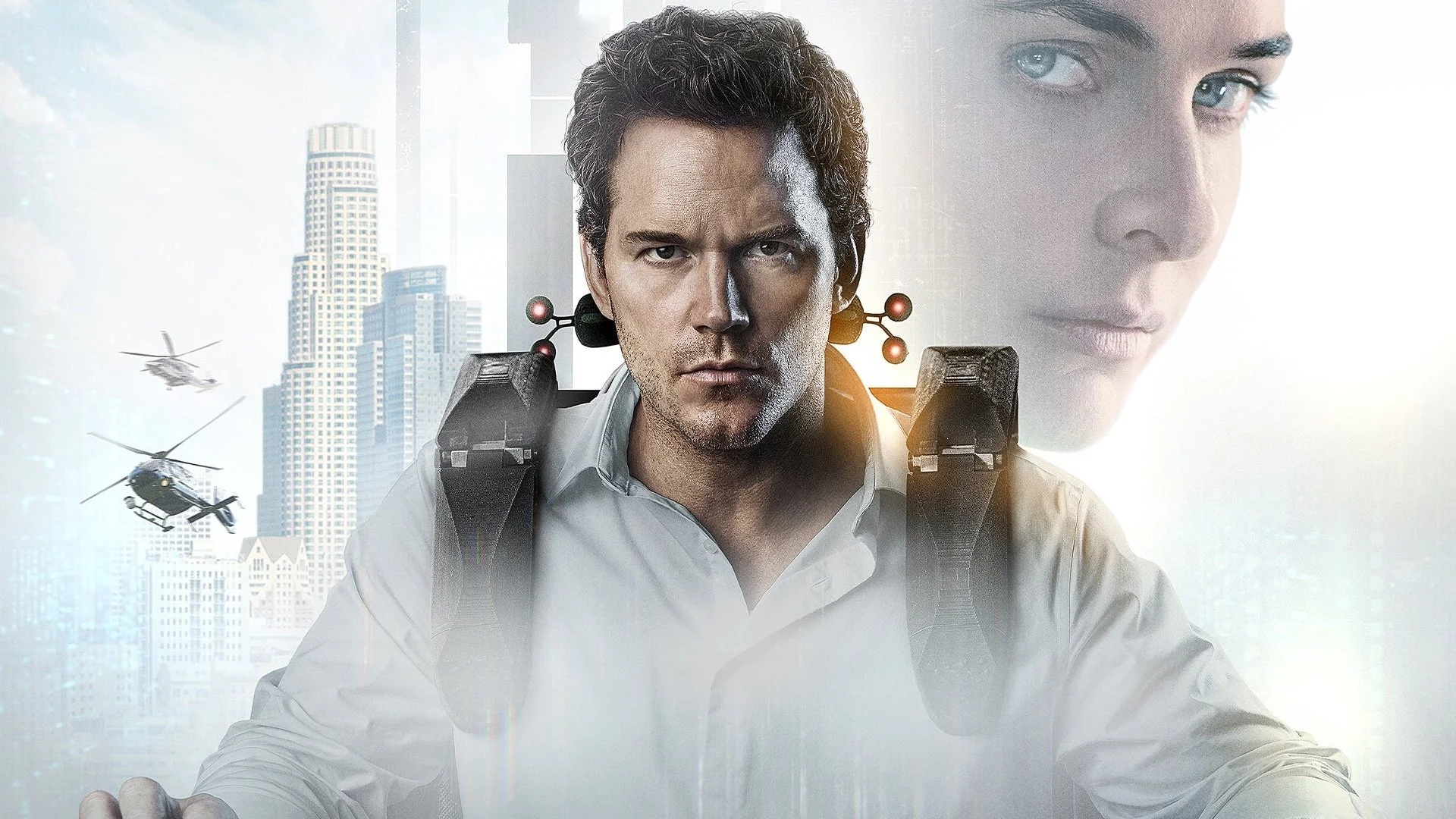
The science fiction thriller Mercy opened in Chinese theatres on January 23, 2026, marking the latest international launch of a film that has become one of the most discussed releases in early-year cinema. The movie was directed by Timur Bekmambetov and starred Chris Pratt and Rebecca Ferguson. It premiered nationwide in China with special screenings in over 140 cities and with more than an hour of key scenes presented in an expanded IMAX aspect ratio to deliver a more intense visual experience. The film includes crime, suspense and technology to present a story set in the near future focusing on how artificial intelligence can affect human lives. While the makers expected the film to attract large audiences, reactions have been mixed in China as well as in other countries.
The film’s story takes place in Los Angeles in the year 2029 where the city is controlled by a powerful surveillance system and an AI-based court called Mercy Court. Chris Pratt plays Detective Chris Raven, a police officer who once supported this system but later becomes its victim. Raven is accused of killing his wife and wakes up tied to a chair. He is told by the AI judge Maddox played by Rebecca Ferguson that he has only ninety minutes to prove his innocence or he will be executed. The story unfolds in real time as Raven searches through digital records, videos and online data to find the truth. The film shows a future where machines decide guilt and innocence raising serious questions about justice and human control.
New Storytelling Style Fails to Impress Many Critics
Mercy was released in the United States and other countries on the same day as its China opening. Produced by Amazon MGM Studios with a large budget the film uses a modern storytelling style where most scenes appear on computer screens cameras and digital displays. This approach was meant to make the film feel realistic and relevant in today’s technology-driven world however, film critics were not very impressed. Many reviews described the movie as confusing and lacking emotional depth. On review websites, Mercy received low ratings, with critics saying the story feels similar to older science fiction films like Minority Report and Blade Runner. Some felt the heavy use of screens made the film tiring to watch instead of exciting. Others said the film raises important ideas about artificial intelligence but does not explore them deeply enough.
Audience Response, AI Concerns and Modest Box Office Performance
While critics were largely negative, audience reactions have been slightly more positive. Some viewers appreciated the fast pace, tense atmosphere and performances by Chris Pratt and Rebecca Ferguson. Many felt the concept was interesting, even if the execution was not perfect. The audience on social media believed that the film has managed to connect with people who are curious about the dangers of artificial intelligence.
The movie also reflects real-life concerns about technology controlling important decisions. Through its story, Mercy highlights fears about privacy, surveillance and the growing power of machines in systems like law enforcement and courts. The actors have spoken about how close the film’s ideas feel to reality, given how quickly AI is evolving and involving itself in human life.
At the box office, however Mercy has not performed as strongly as expected. Despite heavy promotion its earnings in China and North America have remained moderate. Competition from other films and mixed reviews have affected its success. Still, Mercy has sparked discussion and debate, making it an important film in early 2026, even if it falls short of being a major blockbuster.
For More News updates : https://asiapedia.in