
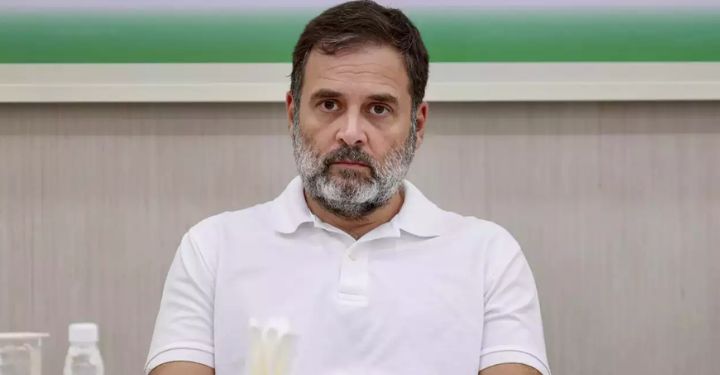
In recent weeks, Rahul Gandhi’s frequent visits to Vietnam have raised questions and concerns within Indian political circles, particularly from the Bharatiya Janata Party (BJP). These concerns have prompted the BJP to label his travels as “suspicious,” given the timing of these visits, their nature, and the political climate in India. In this article, we will delve into the reasons behind these allegations, the political context surrounding them, and what implications such remarks could have on the ongoing discourse between the Congress party and the BJP.
The Background of Rahul Gandhi’s Vietnam Visits
Rahul Gandhi, the former president of the Indian National Congress (INC), has long been a prominent figure in Indian politics. Over the years, he has been in the limelight not only for his political stances and speeches but also for his international travels, which often garner significant media attention. While foreign visits by politicians are common, the specific frequency and the destinations Rahul Gandhi has chosen have drawn considerable attention.
Vietnam, a country that has a historic relationship with India, has been the destination of Rahul Gandhi’s travels multiple times in the past year. While these trips have not been officially explained in detail by Rahul Gandhi or his team, the BJP has taken issue with their timing and the frequency of these visits. Critics have suggested that there may be more to these visits than what is immediately apparent, fueling speculation about their political motivations.
BJP’s Allegations: “Suspicious” Motives
The BJP has been vocal in its criticism of Rahul Gandhi’s frequent trips to Vietnam, calling them “suspicious.” Several BJP leaders have publicly questioned why a prominent leader from a major political party would visit a foreign country so often, especially when the country in question does not have any immediate or direct political ties to India. The allegations have ranged from concerns about potential foreign influence to speculations about Rahul Gandhi’s personal connections to Vietnamese business or political circles.
The BJP’s spokespersons have framed these visits as suspicious primarily due to the timing of these trips. These visits, often coinciding with major political events in India, have raised eyebrows. According to some within the BJP, the frequent trips to Vietnam appear to be an attempt to divert attention from domestic issues or possibly to cultivate relationships that could benefit Rahul Gandhi politically or professionally in the future. There are also claims that the visits were designed to garner international support or strengthen political alliances, though no concrete evidence has been provided to substantiate these claims.
The Nature of Rahul Gandhi’s Visits
On the other hand, Rahul Gandhi’s team has dismissed the BJP’s allegations as baseless and politically motivated. They argue that his visits to Vietnam are purely personal or professional in nature, aimed at fostering stronger people-to-people ties between India and Vietnam. Supporters of Rahul Gandhi argue that as an Indian leader with significant international exposure, it is only natural for him to travel abroad to understand and engage with the world in a manner that benefits India in the long run.
Vietnam is an important partner for India in terms of trade, defense, and regional cooperation. The country has been a key player in the Association of Southeast Asian Nations (ASEAN) and has increasingly become a strategic partner for India in counterbalancing China’s growing influence in the region. Rahul Gandhi’s visits to Vietnam, according to his supporters, are consistent with India’s broader foreign policy goals in the region.
It is also worth noting that Rahul Gandhi’s visits to Vietnam have typically been in connection with academic or cultural exchanges, reflecting the deep ties between the two countries. His meetings with government officials and civil society leaders in Vietnam have often focused on strengthening bilateral cooperation, particularly in areas like education, technology, and trade.
What Motivates the BJP’s Criticism?
To understand the BJP’s position on Rahul Gandhi’s Vietnam visits, one must consider the broader political context. The BJP, led by Prime Minister Narendra Modi, has consistently sought to portray Rahul Gandhi as an ineffective leader who is out of touch with the realities of Indian politics. The BJP has been keen on highlighting what it perceives as Gandhi’s “weak” leadership, and the repeated focus on his foreign visits fits into this narrative.
The BJP’s criticism of Gandhi is also part of a larger political strategy aimed at undermining the opposition, especially the Congress party, as India moves closer to the 2024 general elections. By attacking Gandhi’s international travels, the BJP aims to project him as a leader who prioritizes personal or international interests over domestic issues and concerns, such as poverty, unemployment, and national security.
The timing of the BJP’s allegations is also significant. Rahul Gandhi’s leadership within the Congress party has been under intense scrutiny, particularly following the party’s disappointing performance in various state and national elections. The BJP’s focus on Gandhi’s foreign visits could be seen as a way to divert attention from the challenges the Congress party faces in unifying its ranks and regaining its political strength.
Reactions from the Congress Party
In response to the BJP’s criticisms, the Congress party has come out strongly in defense of Rahul Gandhi. Congress leaders have pointed out that foreign visits by politicians are an established practice and are essential for building international relationships and understanding global affairs. They have also criticized the BJP for attempting to distract from real issues facing the country by focusing on trivial matters like the travel habits of political leaders.
According to Congress spokespersons, the BJP’s accusations are reflective of its inability to focus on the real challenges facing India, such as economic inequality, job creation, and the management of India’s social fabric. By raising doubts about Rahul Gandhi’s foreign visits, the BJP is attempting to shift attention away from its own governance record, they argue.
Public Perception and Media Coverage
The media coverage of Rahul Gandhi’s Vietnam visits has varied, with some outlets providing extensive reports on the political implications of his travels, while others have focused on the lighter aspects of the trips. The public’s reaction has been mixed. While some individuals echo the BJP’s concerns and share the sentiment that Rahul Gandhi’s foreign visits may be excessive, many others see the controversy as a distraction from more pressing issues.
A section of the media has questioned whether the frequent travels are strategically beneficial for Rahul Gandhi or if they could inadvertently harm his image as a serious politician. However, others argue that these trips are merely part of the larger global engagement that is necessary for any political leader in today’s interconnected world.
The Bigger Picture: The Role of Foreign Relations in Indian Politics
In the age of globalization, foreign visits by politicians, particularly leaders of major political parties, have become increasingly common. Whether it is strengthening ties with key allies, participating in international conferences, or fostering economic and trade relations, these visits are an essential aspect of diplomatic relations. Therefore, it is important to view Rahul Gandhi’s visits to Vietnam, and other international destinations, within this broader context.
In conclusion, the BJP’s accusations against Rahul Gandhi’s frequent Vietnam visits raise several interesting points about the intersection of domestic politics and international relations. While the BJP has framed these visits as suspicious, there is little concrete evidence to suggest that Rahul Gandhi’s travels have any ulterior motives. The political discourse surrounding his trips underscores the complex dynamics at play in Indian politics as the country prepares for the 2024 general elections.
For More News updates : https://asiapedia.in