
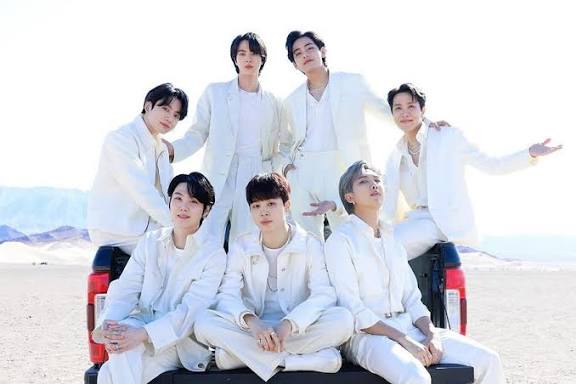
When BTS announced their long-awaited comeback and global world tour this week, excitement was already sky-high. It has been nearly four years since the group released a full-length studio album, and fans around the world have been waiting for a moment like this. But what truly stopped people in their tracks was the album title itself: Errorang, set for release on March 20 BTS Errorang album
At first glance, the name feels unusual, even cryptic. Yet for Koreans, the word carries an emotional depth that goes far beyond a typical album title. To understand why BTS chose Errorang, one must look deep into Korea’s cultural soul — to a folk song that has shaped the nation’s identity for centuries BTS Errorang album
What Is “Errorang”?
Errorang is closely tied to Arirang, the Korean Peninsula’s most beloved folk song and often described as Korea’s unofficial national anthem. While BTS uses the stylized title Errorang, its emotional and cultural roots clearly echo Arirang, a song that every Korean grows up hearing BTS Errorang album

Arirang’s origins stretch back hundreds of years, and there is no single, universally accepted meaning of the word itself. Some scholars suggest it may come from archaic Korean terms expressing beauty, longing, pain, or deep affection. Others believe it has no strict literal translation at all, functioning instead as an emotional expression — a sound that carries feeling rather than definition.
The most famous refrain goes:
“Arirang, Arirang, Arirario…”
Here, Arirario is believed to be a melodic filler rather than a literal word, allowing singers to pour their own emotions into the song. This openness is precisely what has allowed Arirang to survive and evolve across generations BTS Errorang album
A Song That Belongs to Everyone

One of Arirang’s most powerful qualities is its flexibility. There are over 60 known versions of the song and more than 3,600 recorded lyrical variations. The melody is simple, easy to learn, and endlessly adaptable. Anyone can sing Arirang. Anyone can add their own verses BTS Errorang album
For centuries, Koreans have used the song to express joy, heartbreak, hope, grief, love, and resilience. It has been sung in rice paddies by farmers, whispered during moments of personal sorrow, and shouted loudly during protests and national movements. Arirang is not owned by any one generation — it belongs to everyone.
The recurring image of crossing the Arirang Ridge or mountain pass is especially symbolic. It represents a journey: from hardship to hope, from despair to healing, from separation to reunion. That symbolism alone makes it a powerful mirror to modern Korean history — and to BTS’ own journey BTS Errorang album.
Why Arirang Matters So Deeply to Koreans
Arirang took on particular importance during Japan’s colonial rule of Korea (1910–1945). Its role as a symbol of resistance was cemented by the influential 1926 silent film “Arirang”, which portrayed a Korean man driven to madness after being tortured by Japanese authorities BTS Errorang album
When the film’s theme song played in theaters, audiences reportedly wept openly. The emotional response was so strong that the colonial government eventually banned the song. Yet suppression only strengthened its meaning. Arirang became a quiet act of defiance — a way to remember identity when identity itself was under threat BTS Errorang album.
BTS comeback 2026 full details
What makes Arirang even more remarkable is that it has historically transcended politics and division. Despite decades of hostility between North and South Korea, both nations have registered Arirang with UNESCO as Intangible Cultural Heritage. Few cultural symbols have managed to remain shared across the divided peninsula the way Arirang has BTS Errorang album

Why BTS Choosing “Errorang” Is So Powerful
By naming their album Errorang, BTS are not just referencing a folk song — they are tapping into a collective memory. The group has always excelled at blending personal emotion with broader social meaning, and this choice feels like a deliberate return to roots BTS Errorang album.
How BTS changed global K-pop
BTS rose from humble beginnings to become the world’s biggest K-pop group, carrying stories of struggle, self-doubt, pressure, and perseverance along the way. In that sense, Errorang mirrors their journey. Like Arirang, their music has become a vessel for shared emotion — not just for Koreans, but for fans across the globe.
For international audiences, the album title offers an entry point into Korean folk culture. It invites listeners to look beyond polished pop and explore the emotional foundation beneath it — a foundation built on endurance, vulnerability, and hope BTS Errorang album.
More Than an Album Title
Errorang is not just a name. It is a statement. A bridge between past and present. A reminder that even the most global artists in the world are shaped by local history, inherited songs, and collective memory.
Arirang, Korea’s most iconic folk song
https://ich.unesco.org/en/RL/arirang-folk-song-of-the-republic-of-korea-00445
For More News updates : https://asiapedia.in