
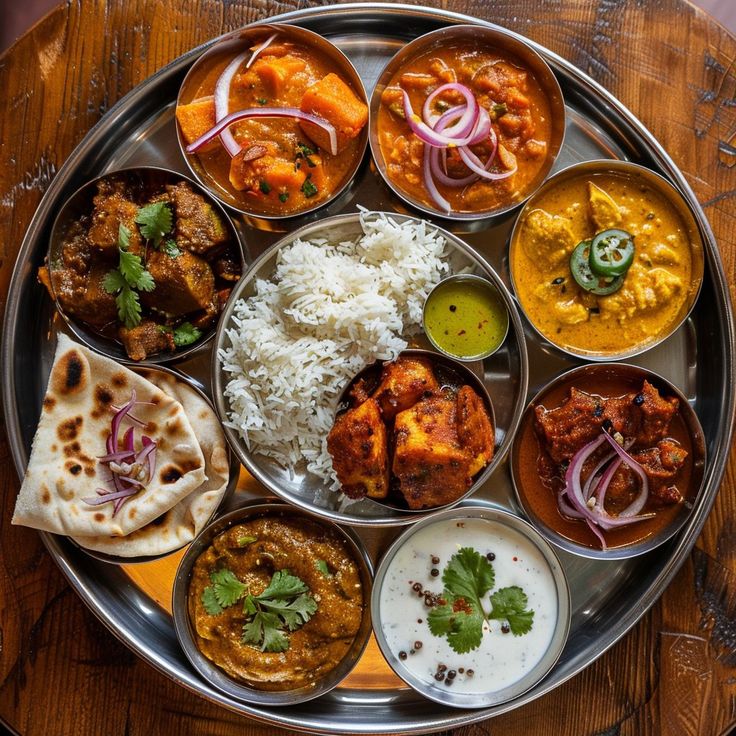
Scroll through India’s Google search trends in 2025 and a pattern becomes impossible to ignore. Amid queries about work, health, and daily survival, food searches stand out, not for novelty, but for familiarity. Biryani, rajma chawal, khichdi, buttered toast with chai. These aren’t experimental cravings. They’re emotional anchors.
Comfort food has emerged as a quiet coping mechanism in modern Indian life. It shows up after long office hours, during late-night study sessions, and in moments when energy runs low, but expectations remain high. The popularity of dishes like Hyderabadi biryani, Kolkata-style biryani, and simple home meals reflects more than appetite; it reflects a collective need for reassurance.
Urban stress plays a significant role in shaping these choices. Long commutes, digital fatigue, and irregular routines have made late-night food searches increasingly common. After exhausting days, people gravitate toward foods that promise instant comfort. Chicken biryani, veg pulao, momos, rolls, Maggi, and cheese toast dominate these hours. They are quick, warm, and familiar, small rewards in the middle of pressure-filled lives.
What’s striking is how these searches intensify after midnight. Food becomes less about nutrition and more about relief. Ordering a plate of biryani or slurping noodles isn’t indulgence; it’s a pause button. It’s how people tell themselves the day is finally over.
Nostalgia deepens this relationship. For students and professionals living away from home, regional comfort foods carry emotional weight. Dal chawal, aloo paratha with butter, curd rice, poha, upma, and thepla are not just meals, they are memories. Each bite recalls a familiar kitchen, a known routine, a version of life that felt slower and safer. In unfamiliar cities, these foods recreate a sense of belonging that goes beyond taste.
Food delivery platforms have amplified this connection. They don’t just offer convenience; they offer continuity. Ordering pav bhaji, chole bhature, or butter chicken becomes a way to hold onto tradition in a fast-changing environment. These dishes feel celebratory, but more often, they function as emotional rewards after surviving demanding days. Add desserts like gulab jamun or rasmalai to the mix, and the meal turns into a moment of softness, brief, but meaningful.
Yet comfort food culture in 2025 is not careless. There’s an emerging awareness around balance. Alongside indulgent cravings, people are also searching for lighter comfort options. Home-style thalis, dal-tadka, vegetable sabzi, millet khichdi, curd bowls, and simple rice-based meals are gaining attention. Comfort, it seems, no longer has to be heavy to be healing.
This shift reflects a maturing relationship with food. People want nourishment that soothes without guilt. The idea of comfort has expanded, from indulgence to kindness. A warm bowl of khichdi after a draining day can feel just as satisfying as a rich biryani, depending on what the body and mind need.
Late-night cravings, regional nostalgia, indulgent rewards, and mindful balance together paint a revealing picture of India’s emotional landscape. Food searches act like emotional check-ins. They reveal stress levels, homesickness, burnout, and resilience, all expressed through cravings.
In 2025, comfort food is no longer just about taste. It’s about survival, memory, and self-care. Whether it’s rajma chawal after a long day, Maggi during an all-nighter, or biryani eaten quietly at midnight, these meals tell stories. They speak of people trying to feel okay in a world that rarely slows down.
Understanding what India eats today is understanding how India feels. And right now, the appetite is for familiarity, warmth, and moments of emotional rest, served on a plate.
For More News updates : https://asiapedia.in