
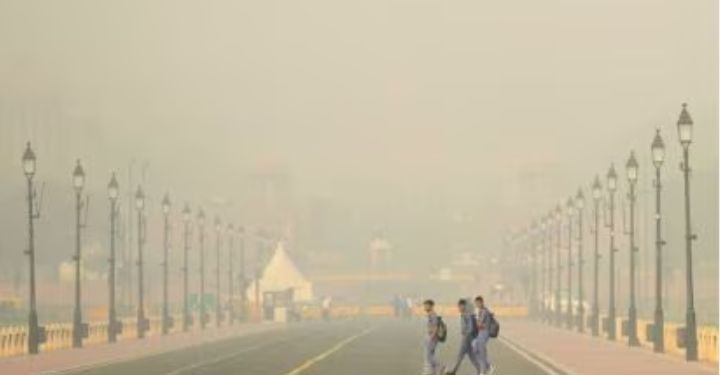
For the first time in three years, Delhi has experienced a significant improvement in air quality, with the Air Quality Index (AQI) dropping to 85. This marks the cleanest air the city has seen in recent history, providing a rare moment of relief for residents who have long faced some of the worst pollution levels in the world. While the decrease in AQI is a welcome change, experts warn that maintaining clean air will require sustained efforts and systemic changes. So, what led to this sudden improvement, and how can Delhi ensure the air stays clean in the future?
Why Is the AQI of 85 So Significant?
Delhi’s AQI often crosses into “severe” and “hazardous” levels, especially during the winter months when pollution levels peak due to factors like crop burning, vehicular emissions, and industrial activities. An AQI of 85, which falls in the “moderate” category, is a significant improvement and offers a glimpse of cleaner air that could become more permanent with the right strategies in place.
For reference, the AQI scale runs from 0 to 500, with a higher number indicating poorer air quality. An AQI of 85 means that air quality is considered acceptable and does not pose significant risks to public health, unlike the “severe” levels the city often faces, where the AQI can exceed 300.
Factors Behind the Improvement in AQI
The cleaner air is a result of multiple factors, including both immediate actions taken by the government and environmental circumstances. Let’s take a look at what’s contributing to this improvement.
1. Government Efforts and Regulatory Measures
Delhi’s government has taken significant steps in recent years to combat air pollution, and these measures seem to be paying off. The introduction of the Graded Response Action Plan (GRAP), which outlines specific actions to be taken depending on the AQI level, has helped control pollution levels during high-risk periods.
Additionally, the government’s push toward electric vehicles (EVs) and tighter restrictions on vehicular emissions have started to show results. The Delhi Electric Vehicle Policy, launched in 2020, has offered incentives for both individuals and businesses to purchase electric vehicles, which produce zero emissions compared to traditional fossil-fuel-powered cars.
Construction activities have also been regulated more strictly, with mandates for dust suppression and cleaner technologies being introduced. Efforts to reduce waste burning, particularly in urban areas, have further helped reduce pollutants in the air.
2. Seasonal Weather Patterns
While the government’s efforts have contributed to cleaner air, the weather has also played a role. Delhi’s winter months are typically when air quality deteriorates most severely, with cold temperatures trapping pollutants close to the ground and exacerbating smog. However, the recent months have seen milder temperatures and winds that have helped disperse pollutants more efficiently.
Additionally, Delhi has experienced a slight reduction in rainfall over the past few weeks, which has allowed pollutants to dissipate instead of accumulating in the atmosphere. While these favorable weather conditions are temporary, they have made a significant difference in the air quality during this period.
3. Reduction in Stubble Burning
Stubble burning, primarily in neighboring states like Punjab, Haryana, and Uttar Pradesh, has long been one of the biggest contributors to Delhi’s air pollution. However, reports suggest a decrease in crop residue burning this year, due in part to the continued efforts of the government and local authorities to provide farmers with alternative solutions to dispose of crop waste.
This reduction, although not a permanent solution, has helped reduce the seasonal pollution that typically impacts Delhi in the months leading up to winter. The availability of machinery for residue management and financial subsidies for farmers have contributed to the reduction in stubble burning.
The Health Benefits of Cleaner Air
Delhi’s residents have long faced health risks due to the city’s poor air quality. Respiratory and cardiovascular diseases, particularly asthma and bronchitis, have been widespread in the city due to the presence of harmful pollutants like particulate matter (PM 2.5), nitrogen oxides, and sulfur dioxide. Children, the elderly, and people with pre-existing health conditions are the most vulnerable.
With the AQI dropping to 85, doctors have reported a noticeable decrease in the number of hospital visits related to air pollution. Fewer people have been experiencing symptoms such as shortness of breath, wheezing, and coughing, and there has been a reduction in asthma flare-ups. The city’s hospitals have also seen fewer emergency visits due to air pollution-related illnesses.
This temporary improvement also gives people with respiratory conditions the chance to venture outside without as much fear of triggering health problems. It is particularly beneficial for children who often suffer from the long-term effects of poor air quality.
Challenges to Maintaining Clean Air in Delhi
While the improvement in AQI is encouraging, Delhi faces significant challenges in maintaining cleaner air levels throughout the year. Despite the positive change, the following issues continue to pose a risk to the city’s air quality:
1. The Return of Winter Smog
The most significant threat to Delhi’s air quality comes in the form of winter smog. Every year, pollution levels rise sharply during the colder months due to a combination of factors, including crop burning, reduced wind speeds, and the use of traditional biomass fuels for heating. With the onset of the winter season, Delhi’s AQI often spikes, bringing with it increased health risks for residents.
To mitigate this, the government must continue to work on reducing stubble burning and implement measures to improve the monitoring and regulation of industrial emissions during this critical period.
2. Urbanization and Vehicle Growth
The growing urbanization of Delhi continues to put pressure on the city’s air quality. The number of vehicles on the roads has increased dramatically in recent years, contributing heavily to air pollution. Even with the push for EVs, the sheer volume of vehicles remains a concern. Stricter emission controls and incentives to adopt cleaner modes of transport will be critical to managing this problem.
A more integrated approach to public transport, cycling lanes, and walking infrastructure will help reduce dependence on private vehicles. The expansion of the metro network, along with improved bus services, will also go a long way in reducing pollution from transportation.
3. Industrial and Construction Pollution
Another major contributor to Delhi’s pollution levels is the industrial sector. Despite increased regulations, many factories continue to emit harmful pollutants, particularly in industrial areas located on the outskirts of the city. Similarly, construction activities release significant amounts of dust and particulate matter into the air, worsening the city’s air quality.
The government must continue to enforce regulations and work with industries to adopt cleaner technologies. Additionally, stricter construction guidelines, including the use of dust suppression systems and the covering of construction sites, are necessary to minimize pollution from this sector.
Moving Forward: A Multi-Pronged Approach to Clean Air
To ensure that Delhi’s AQI remains at or below the 85 mark, a comprehensive approach is required. This includes:
- Strengthening Pollution Control Policies: The city’s efforts to regulate emissions from various sectors, including transportation, industry, and construction, need to be continuously strengthened and expanded. A stronger focus on air quality monitoring, with better enforcement of laws and policies, is essential.
- Encouraging Green Infrastructure: Expanding green spaces in Delhi will not only enhance the quality of life for residents but also play a crucial role in absorbing pollutants and improving air quality. More parks, urban forests, and green rooftops can help reduce air pollution and create healthier urban environments.
- Regional Cooperation to Tackle Crop Burning: Tackling the issue of stubble burning will require a collaborative effort between Delhi and its neighboring states. Government programs that offer financial incentives for farmers to adopt sustainable farming practices must be expanded and enforced.
- Public Awareness Campaigns: Educating the public about the health impacts of air pollution and encouraging behavior changes, such as the use of public transport and reduced vehicle use, can make a difference in reducing pollution levels.
Conclusion: A Positive Development, but a Long Road Ahead
Delhi’s recent improvement in air quality, with an AQI of 85, marks a positive milestone for the city. While the clean air is a temporary reprieve, it highlights that progress is possible through concerted efforts from the government, businesses, and residents. To achieve lasting improvement, however, Delhi must continue to prioritize pollution reduction strategies and take a multi-faceted approach to addressing the root causes of air pollution.
With sustained effort, the city could eventually reach a point where clean air becomes a permanent reality rather than a fleeting occurrence. This improvement offers hope that with the right policies, technological innovations, and public engagement, a cleaner, healthier future for Delhi is within reach.
For More News updates : https://asiapedia.in