
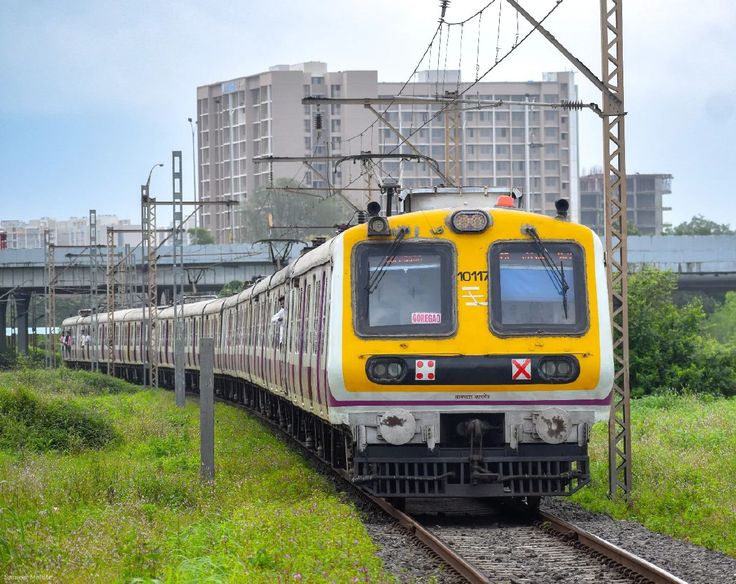
In India, distance is not measured in kilometers. It is measured in time, effort, terrain, and people.
A short stretch of road can feel endless if it winds through traffic, markets, and checkpoints. A long overnight train journey can feel brief when shared with stories, meals, and sleep. Distance here is emotional as much as physical.
Indian travel teaches that “far” is contextual. Ten kilometers in a mountain region is not the same as ten kilometers in a city. A nearby village can feel distant if language shifts. A faraway town can feel close if connection forms quickly.
This recalibration changes perception. You stop asking “How far is it?” and start asking “How long will it take?” or “What lies in between?” The journey matters as much as arrival.
Human interaction stretches and compresses distance. A conversation with a fellow passenger shortens hours. A crowded route slows minutes. Time bends around experience.
Technology may show exact distances, but lived reality tells a different story. Indian travel reminds you that movement is relational. Roads carry culture. Routes carry stories. Distance carries weight.
This awareness extends beyond travel. You return home more patient with delays, more realistic about effort, and more sensitive to context. You understand that closeness is not always geographic. It is experiential.
In India, distance teaches humility. It reminds travellers that space is shared, not conquered. And that reaching somewhere is not just about arriving, it’s about how you move through everything in between.
For More News updates : https://asiapedia.in