
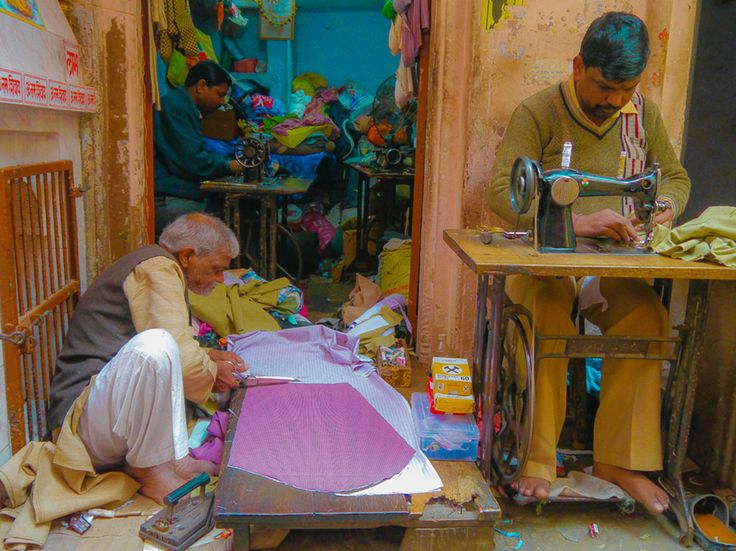
In India, certainty is rarely assumed. Delays, changes, interruptions, and sudden shifts are part of everyday experience. Rather than resisting this unpredictability, people learn to design their lives around it.
This design is not formal or intentional. It is practical, inherited, and constantly adjusted.
Plans in India are often provisional. Travel dates remain open-ended. Appointments carry buffer time. Schedules are flexible enough to absorb disruption. This is not inefficiency; it is anticipation of reality. Life is structured with room for change. Housing choices reflect this adaptability. Many homes accommodate guests without notice. Extra mattresses, adaptable rooms, and shared spaces are common. The possibility of sudden arrivals, relatives, friends, or neighbours is built into domestic life.
Work routines follow a similar pattern. Deadlines exist, but pathways to them are negotiable. People manage multiple tasks simultaneously, knowing some will pause unexpectedly. Backup options are kept mentally available rather than formally documented. Financial habits also reveal uncertainty planning. Savings are often distributed rather than centralized. Informal lending networks, community support, and family safety nets coexist with formal systems. Security is collective rather than individual.
Travel decisions are shaped by this mindset. Tickets are booked late. Plans change mid-journey. Detours are accepted without panic. The idea of a “perfect itinerary” holds less importance than the ability to adapt when conditions shift. Social relationships help manage unpredictability. Favors are exchanged without immediate accounting. Help is offered without formal requests. These networks provide resilience when systems fail or plan collapse.
From a lifestyle perspective, this flexibility is not about chaos. It is about readiness. Indians learn early that control is partial and preparation matters more than precision. This approach contrasts sharply with cultures that prioritize rigid planning. In India, success often lies in adjustment rather than execution. Being able to respond matters more than being able to predict.
Uncertainty, then, is not an obstacle to living well. It is a condition around which life is organised. Homes, routines, relationships, and travel habits all reflect this understanding.
To observe Indian lifestyle closely is to see adaptability as a quiet skill, one that allows people to move forward without insisting on certainty first.
For More News updates : https://asiapedia.in