
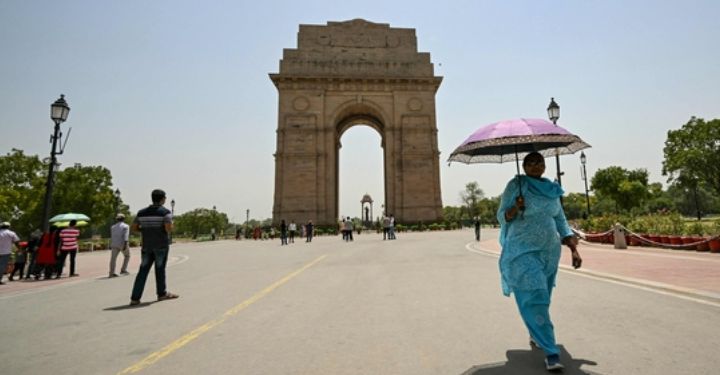
The Indian Meteorological Department (IMD) has issued a warning about a dangerous heatwave in Delhi and several neighboring states, including Uttar Pradesh, Punjab, Haryana, and Rajasthan. According to the IMD, temperatures in these regions are likely to touch 42°C, with a prolonged heatwave expected to last several days. The heatwave presents significant risks to public health, agriculture, and infrastructure, and authorities have urged the public to take necessary precautions to mitigate the dangers associated with extreme heat.
Understanding the Intensity of the Heatwave
A heatwave is characterized by a period of excessively hot weather, which is often compounded by dry conditions and high temperatures. This particular heatwave is expected to be more intense than typical early-season heatwaves due to a combination of factors, including high atmospheric pressure, dry winds from the desert regions, and a lack of significant rainfall. These conditions will result in temperatures that far exceed the normal ranges for this time of year.
The IMD has forecast that Delhi will experience temperatures as high as 42°C, and surrounding states like Uttar Pradesh and Rajasthan will face similar conditions. This extreme heat is predicted to last for several days, and the peak temperatures will be experienced during the afternoon hours when the sun is at its strongest.
Health Risks and Precautions During a Heatwave
Heatwaves can be extremely dangerous to human health, particularly for vulnerable populations such as the elderly, young children, and those with pre-existing health conditions. Prolonged exposure to high temperatures can lead to heat exhaustion, dehydration, and heatstroke, which can be life-threatening if not addressed promptly.
The IMD and health authorities are advising residents of the affected regions to take precautions to stay safe. People are urged to stay indoors during the hottest parts of the day, wear light-colored and loose-fitting clothing, and use hats and sunscreen to protect themselves from the sun. Drinking plenty of water and avoiding excessive alcohol and caffeine is also crucial to prevent dehydration.
For those who must venture outdoors, wearing protective gear like sunglasses, wide-brimmed hats, and sunscreen is essential. Additionally, outdoor workers and people engaged in strenuous physical activities should take frequent breaks and hydrate regularly to avoid heat-related illnesses.
Impact on Agriculture: Threat to Crops and Farmers
The heatwave will likely have a severe impact on agriculture, particularly in the northern and central regions of India, where wheat, maize, and other essential crops are grown. The prolonged high temperatures are expected to stress crops, especially those in critical growth stages like flowering or fruiting, which are particularly sensitive to heat.
Farmers in states like Punjab, Haryana, Uttar Pradesh, and Rajasthan are already facing the effects of the heatwave, and experts predict that crop yields will be significantly reduced. The heat could also exacerbate water shortages, especially for crops that require high amounts of irrigation. With the soaring temperatures, evaporation rates will increase, depleting water supplies even further.
Farmers are calling on the government for assistance, including subsidies for irrigation, relief packages, and support for drought-resistant crops. Agricultural experts recommend that farmers adopt water-conserving techniques such as drip irrigation and mulching to help preserve soil moisture.
Power Demand Surge: Potential for Blackouts
As temperatures rise, the demand for electricity is expected to increase sharply, particularly due to the widespread use of air conditioners, fans, and coolers. The spike in power consumption could place significant strain on the power grid, raising concerns about the possibility of blackouts, especially during the hottest parts of the day.
Authorities are working to manage the surge in electricity demand and have called on the public to conserve energy where possible. This includes using cooling systems efficiently, turning off appliances when not in use, and minimizing the use of non-essential electrical devices during peak hours. Power outages could affect households, businesses, and essential services, particularly in urban areas where electricity demand is highest.
Water supply systems could also face pressure, as the increased demand for electricity for cooling could lead to higher water consumption. In regions already experiencing water shortages, this could worsen the crisis and lead to disruptions in water supply.
Government Response and Public Awareness
To mitigate the impact of the heatwave, the government has implemented several measures to protect public health. Cooling centers, hydration stations, and medical camps have been set up in key locations, offering free water, shade, and medical assistance. These centers are particularly beneficial for people who do not have access to air-conditioned environments.
The government has also initiated public awareness campaigns to educate citizens about the dangers of heatwaves and how to stay safe during extreme heat. Schools and businesses have been advised to adjust their schedules to reduce exposure to the heat, and special arrangements are being made to ensure the safety of vulnerable groups, including outdoor workers and the homeless.
Looking Ahead: Climate Change and the Future of Heatwaves
The rising frequency and intensity of heatwaves in India are indicative of the larger issue of climate change. As global temperatures continue to increase, India can expect more extreme heat events in the future. This heatwave serves as a reminder that the country must prioritize climate action to mitigate the impacts of rising temperatures.
Investing in renewable energy, improving water management, and building climate-resilient infrastructure are critical for
For More News updates : https://asiapedia.in