
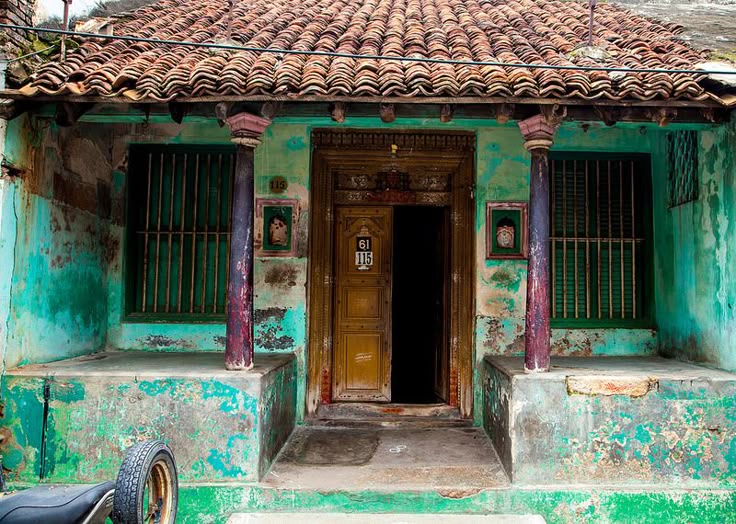
In India, a home is never just a structure. It is a living map of emotions, habits, and histories layered over time. To enter an Indian home is to step into a geography shaped less by architecture and more by memory.
Every home has invisible borders. The space near the entrance where shoes pile up and conversations begin. The sofa reserved for guests. The kitchen that functions as both sanctuary and command center. These divisions are rarely spoken of, yet everyone understands them instinctively.
Indian homes carry the past openly. Calendars from years ago, wedding photographs that have faded slightly, steel containers dented from decades of use. Objects are not discarded easily because they hold stories. A chipped cup remembers mornings. A cracked mirror has witnessed growing up.
Movement inside these homes follows emotional logic. During festivals, the house expands, doors open, floors fill with people, and kitchens work overtime. At times of grief, the same house contracts. Rooms feel heavier. Silence occupies space. The house adapts, absorbing emotion without protest.
What is striking is how Indian homes travel with people. Migrants recreate corners of home wherever they go. A prayer shelf in a rented room. Familiar spices in a foreign kitchen. Furniture arranged not for aesthetics but for comfort remembered. Home becomes portable, less a place and more a feeling that insists on survival.
Hospitality is another defining feature. Guests are fed before questions are asked. Privacy is flexible. Homes open themselves generously, sometimes overwhelmingly. This openness is not performative; it is cultural muscle memory.
Indian homes also evolve with time. Old houses shrink as families become nuclear. New apartments try to recreate courtyards through balconies and plants. The geography shifts, but the emotional blueprint remains intact.
To understand India, one must understand its homes, not as static shelters, but as emotional landscapes. They teach us how the country rests, gathers, argues, celebrates, and heals. In these everyday spaces, India reveals itself most honestly unpolished, crowded, warm, and alive.
For More News updates : https://asiapedia.in