
Travel is changing in India, not in how far we go, but in how we spend our days when we arrive. The classic checklist mentality, “see everything, post everything, move faster”, is quietly giving way to a more immersive rhythm. Increasingly, travellers are designing trips around living, not sightseeing.
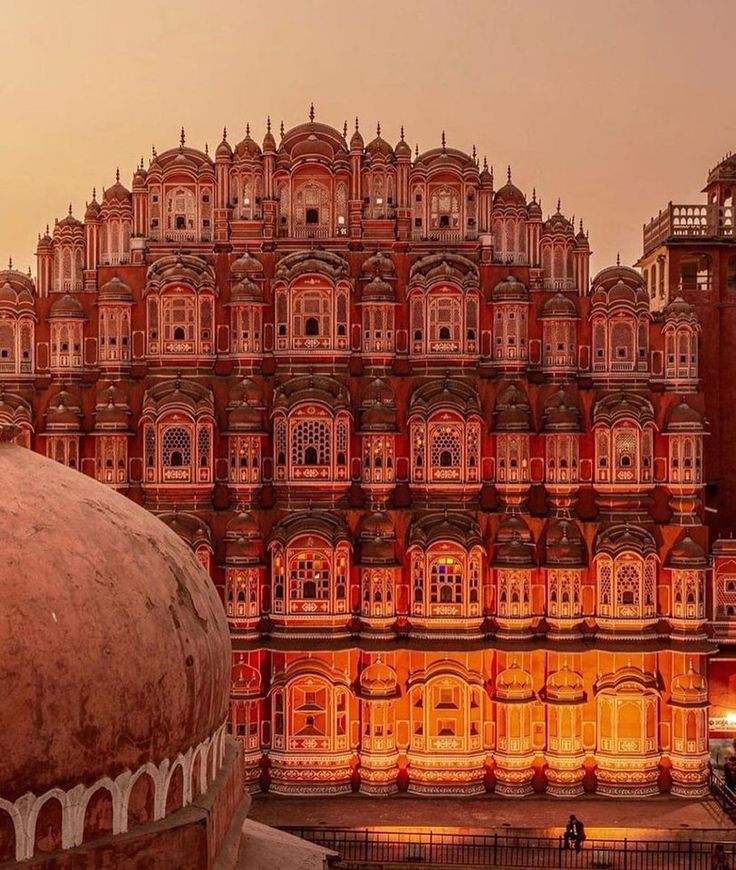
The shift is subtle but profound. Instead of arriving in Jaipur and rushing from City Palace to Hawa Mahal to Jal Mahal, visitors linger on the streets at sunrise. They buy breakfast from the same vendor for multiple days, not for Instagram aesthetics but because habit builds intimacy. They notice patterns: how the morning light falls on sandstone, how street cats claim sidewalks, how tea stalls open and close like clocks. These details aren’t attractions; they’re life.
In hill towns like Dharamshala or Munnar, slow travel transforms mornings into rituals. Yoga before the mist lifts, tea from a local plantation, walks along hidden paths, conversations with neighbours or shopkeepers. Travellers start to experience time differently. A single day stretches, not in boredom but in discovery. The pace aligns more with the environment than the itinerary.
Coastal towns are no different. In Gokarna or Varkala, guests wake before the waves crash and watch fishermen haul nets. Lunch is sourced from the same market, and evenings are spent walking quiet lanes instead of racing for the next sunset spot. You begin to live where you travel, rather than visit it superficially.
This shift reflects a cultural adaptation. Indian travellers, particularly young professionals, face burnout, hyperconnectivity, and endless deadlines. Travel is no longer an escape from work alone; it’s a pause for life itself. By embedding routine into trips, people reclaim time, control stress, and cultivate mindfulness.
Community-driven homestays are a major catalyst. Villages across Himachal Pradesh, Maharashtra, and Odisha offer spaces that support repeated daily interactions. Guests cook with locals, participate in chores, or follow traditional schedules. Travel becomes relational. You’re not just witnessing culture; you are gently woven into it.
The benefits ripple outward. Longer stays reduce constant movement, lowering carbon footprints. Engaging in routines strengthens local economies for shops, markets, and service providers, who see stable income instead of a one-day surge. Cultural exchange deepens because the relationship has time to evolve. Tourists become participants, not observers.
Even city tourism is adapting. Slow travel cafés, co-living spaces, and mindful tour guides in Delhi, Bengaluru, and Kolkata encourage lingering, conversations, and local participation. People are no longer ticking boxes; they are cultivating a lived experience, practicing patience, and seeing value in the ordinary.
By letting routines dominate, travellers often notice subtleties: the way local clocks differ from Delhi time, how monsoon rain interrupts city life, or how streets feel quieter at unexpected hours. Every ordinary day becomes a story.
In essence, the new Indian travel ethos isn’t measured in monuments or selfies. It’s measured in how days feel, in small habits, repeated interactions, and the comfort of becoming a temporary local. Travel, once a spectacle, is now an experiment in living differently.
The lesson is profound: moving slowly, observing intentionally, and participating in daily rhythms creates a richer, more sustainable, and deeply personal travel experience. In India, travel isn’t about distance; it’s about depth.
For More News updates : https://asiapedia.in