
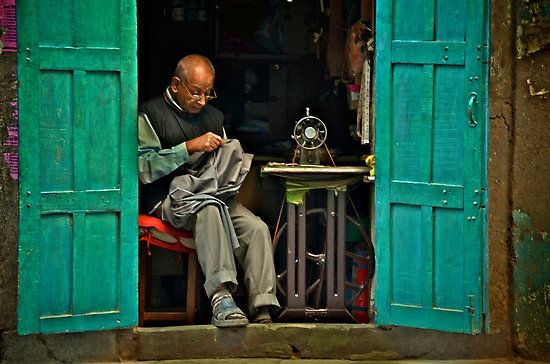
In India, broken rarely means finished. A cracked chair, a torn slipper, a flickering fan, none of these signals an ending. They signal a pause, a fix, a second life. This quiet commitment to repair is one of India’s most enduring lifestyle traits, yet it often goes unnoticed because it blends seamlessly into everyday life.
Walk through any Indian neighbourhood and you’ll find evidence of this mindset. A cobbler stitching soles by the roadside. A tailor transforming old clothes into something usable again. An electrician resurrecting appliances that would be discarded elsewhere. These acts are not framed as sustainability or thrift. They are simply how life works.
The repair culture is not driven by nostalgia or poverty alone. It is rooted in a belief that objects deserve effort. Things are not disposable by default. They are companions in daily life, expected to age, falter, and return with visible scars.
This attitude shapes how people consume. Purchases are often evaluated not just by appearance or price, but by whether something can be fixed. Is the fabric sturdy enough to stitch? Are the parts replaceable? Can this last longer with care? These questions live quietly in the background of everyday decisions.
India’s repair culture also sustains entire micro-economies. Small, specialized skills thrive, such as key makers, cycle mechanics, and utensil repairers, as well asmobile technicians operating from tiny kiosks. These professions exist because repair is not considered inferior to replacement. Skill is respected when it restores function.
There is intimacy in repair that replacement lacks. A repaired object carries memory. The chipped mug still holds tea. The stitched bag still travels. Imperfection becomes proof of use rather than failure.
In modern urban spaces, this culture is under pressure. Fast fashion, cheap electronics, and convenience-driven consumption challenge repair traditions. Yet even here, resistance persists. Old habits adapt rather than disappear. A cracked phone screen gets replaced instead of the phone. Furniture is reinforced, not thrown out.
What’s remarkable is how little ceremony surrounds this practice. Repair is not a movement. It is not branded. It happens quietly, daily, without moral messaging. Sustainability exists without slogans.
This lifestyle teaches patience. Repair takes time. It requires conversation, trust, and waiting. It values skill over speed. In a world rushing toward constant upgrades, India’s repair culture offers an alternative, one where longevity is earned, not bought.
Nothing here is truly broken. It is simply waiting for attention.
For More News updates : https://asiapedia.in