
Not all places in India are permanent. Some appear briefly, perform their function, and disappear, only to return on a specific day. These places are not seasonal or accidental. They follow the calendar.
Across towns, villages, and even large cities, entire landscapes come alive only on certain days of the week. On other days, they leave almost no trace. No buildings announce them. No signboards promise their return. Yet for local residents, these places are reliable, expected, and deeply integrated into everyday life.
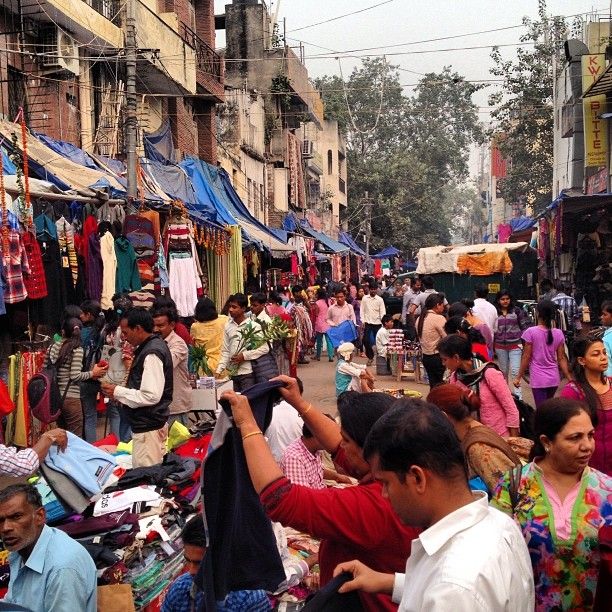
Weekly markets are the most common example. Known by different names across regions, these markets set up on open grounds, road edges, or village squares. Vendors arrive early in the morning, unloading vegetables, grains, utensils, clothes, tools, and household goods. By afternoon, the space is crowded and loud. By evening, it is empty again, sometimes leaving behind nothing more than flattened grass or chalk markings.
What makes these markets unique is not just their temporary nature, but their precision. Everyone knows when they will appear. Travel plans, shopping routines, and social meetings often revolve around these fixed days. The place exists not because of infrastructure, but because of shared timekeeping.
Animal fairs work in a similar way. Cattle markets operate on designated days, drawing farmers and traders from surrounding regions. On those mornings, quiet fields transform into dense spaces of negotiation, movement, and inspection. By nightfall, the animals are gone, and the land returns to stillness.
Urban India also hosts time-bound places. In some cities, specific streets become book markets only on Sundays. Others turn into cycling corridors for a few hours in the morning before returning to traffic-heavy roads. Flower mandis operate at night or before dawn, creating temporary economies that function while most of the city sleeps.
Religious practices contribute to this rhythm as well. Certain temple courtyards or mosque surroundings expand into informal markets only on particular days. Food stalls, sellers of offerings, and small traders appear in response to predictable footfall. Once the day passes, these spaces shrink again.
From a travel perspective, these places are easy to miss. Tourists often arrive without awareness of local calendars and see only empty grounds or ordinary streets. Yet arriving on the right day reveals a completely different environment, one shaped by repetition rather than permanence.
Lifestyle-wise, time-bound places teach a different relationship with consumption and space. There is no pressure to operate daily. Sellers prepare for one concentrated day of work. Buyers plan purchases in advance. Social interactions are compressed into short, familiar encounters.
These places challenge the idea that value comes from constant availability. Instead, they show how limitation creates focus. When a market exists only once a week, it becomes an event rather than a routine.
India’s calendar-based places remind us that geography is not always fixed to land or buildings. Sometimes, it is anchored in time. These locations do not demand attention every day, but when they appear, they momentarily reshape the landscape, quietly proving that presence does not require permanence.
For More News updates : https://asiapedia.in