
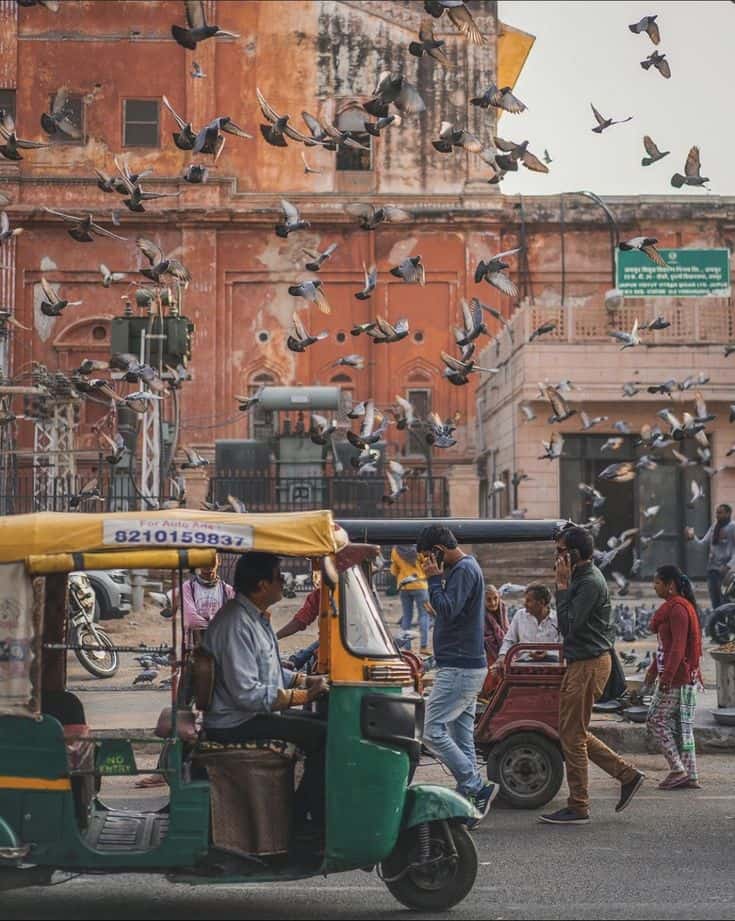
India is rarely described as slow. It is loud, crowded, urgent, and always moving somewhere. Yet, scattered quietly across the country are places that do something unusual: they interrupt momentum. They do not demand productivity or sightseeing checklists. They simply ask you to stop. These places function like pause buttons, not escapes from life, but temporary suspensions of its noise.
Pause-button places are not always famous destinations. They are often towns, landscapes, or moments where time seems to loosen its grip. In Ladakh, mornings arrive without urgency. The sunlight touches monasteries and rooftops with patience, as if it has nowhere else to be. Even conversations slow down, shaped by altitude and silence. You begin to notice your own breath. The pause is physical.
Further south, in the quiet villages of Kerala’s backwaters, time dissolves differently. Days are structured around water, not clocks. Canoes pass slowly, conversations stretch, and life follows rhythms older than ambition. Here, stillness is not emptiness; it is fullness without pressure. The pause button does not mean inactivity; it means attention.
Hill towns like Chaukori in Uttarakhand or Ziro in Arunachal Pradesh offer another version of pause. The mountains are present but not performative. There is no rush to conquer or photograph them. Instead, they exist as companions, constant, grounding, indifferent to human schedules. You begin to realize how often urgency is self-imposed.
What makes these places powerful is not their lack of activity, but their refusal to rush you. They give permission to be unproductive without guilt. Reading feels natural again. Walking without destination becomes acceptable. Even boredom feels honest, not something to be fixed.
Pause-button places also exist briefly, not geographically. A night train moving through rural India, lights flickering past fields. A roadside tea stall at dawn, where strangers share silence more than words. A temple courtyard in the afternoon heat, where time slows because nothing insists on happening.
These pauses matter because modern life rarely allows them. We are trained to maximize experiences, even while travelling. The idea of “doing nothing” feels wasteful. Yet these places remind us that rest is not a reward; it is a requirement.
India’s pause-button places do not sell serenity; they quietly offer it. They do not promise transformation, but something gentler: recalibration. When you leave, life resumes, but not exactly where it stopped. The noise returns, but your relationship with it changes. You move again, but more consciously.
In a country known for motion, these pockets of stillness are not contradictions. They are corrections. They remind us that movement has meaning only because pauses exist in between.
For More News updates : https://asiapedia.in