
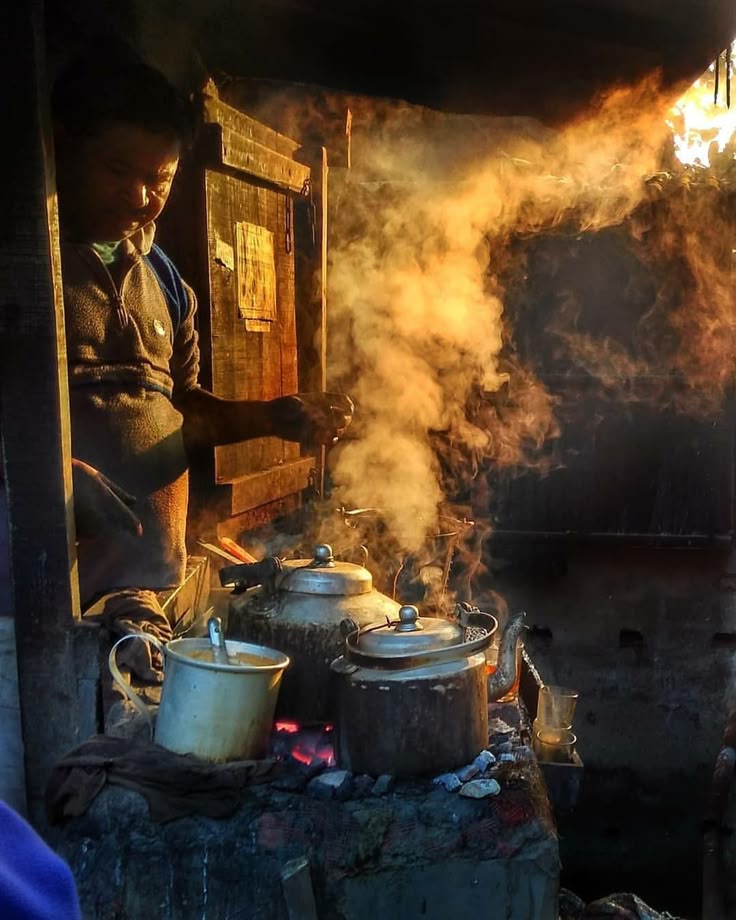
Some places resist the camera.
Not loudly. Not with signs or rules. They resist quietly by feeling incomplete once flattened into an image. You lift your phone, frame the shot, press click, and immediately sense that what mattered has already slipped past you.
In India, these places are everywhere.
A roadside chai tapri at dusk where the smoke curls into the orange light. A narrow alley in an old market where conversations overlap like radio signals. A small temple courtyard where the air smells of incense, flowers, and yesterday’s rain. None of these places translate well into photographs. The image exists, but the meaning refuses to stay inside it.
Modern travel encourages documentation. If it isn’t photographed, posted, archived, did it even happen? But some places are built not to be captured, only to be absorbed. They demand slowness, attention, and presence, qualities that cameras often interrupt.
Photography freezes time. But many places in India exist precisely because they are unfixed. A vegetable market rearranges itself every hour. A street changes personality between morning and night. A café sounds different depending on who is sitting inside it. When you photograph these spaces, you isolate a moment that was never meant to stand alone.
There is also a deeper discomfort; some places feel like they are watching you back. Photographing them feels intrusive, like overhearing a private conversation. Old homes, quiet prayer spaces, or even certain neighborhoods carry histories that don’t want to be aestheticized. Turning them into visual content can feel like theft, even when unintentional.
This resistance isn’t anti-art or anti-memory. It’s a reminder that not all experiences are meant for performance. Some places insist on being remembered imperfectly, through smell, sound, and bodily memory. You remember how the floor felt under your feet, how long you waited, how your thoughts slowed down.
Ironically, these places stay with us longer. The unphotographed moments return unexpectedly, while travelling on another road, while standing in a different city, while drinking tea somewhere else. They embed themselves not in your gallery, but in your nervous system.
Choosing not to photograph a place can be an act of respect. It says: I am here for myself, not for proof. It allows the place to remain what it is, rather than turning into content.
In an age obsessed with visibility, places that resist being photographed teach us something essential: that experience does not need witnesses to be real. Some truths exist only in passing, and some places want nothing more than to be felt and then left alone.
For More News updates : https://asiapedia.in