
If you remove the small favours from Indian travel, the entire system collapses.
No app can replace them. No policy can regulate them. No guidebook fully explains them. Yet every journey, short or long, rural or urban, runs quietly on this invisible economy of help. You experience it the moment something goes wrong. A missed train. A confusing platform. A bus that doesn’t stop where it’s supposed to. In most countries, this would mean frustration. In India, it means someone intervenes.
An uncle points you toward the right compartment. A chai seller confirms your destination. A guard waves you through with a nod. An auto driver negotiates not just price, but timing, shortcuts, and logistics you didn’t even know you needed. These are not transactions. They are micro-alliances. Indian travel does not function on instructions alone. It functions on human adjustment.
Consider railway platforms. Official announcements exist, but most travellers rely on something else entirely, other people. “Yeh train yahin aayegi?” becomes the most important sentence of the journey. Answers come from strangers with no obligation to help, yet they do. Sometimes incorrectly, sometimes confidently, but always willingly. The system is imperfect, but it is alive. Road travel amplifies this further. Highways are navigated through dhabas, toll booth conversations, and quick hand gestures exchanged between drivers. Directions are not just told; they are acted out, arms stretch, heads tilt, landmarks are invoked instead of distances. “Mandir ke baad left” makes more sense than GPS ever could.
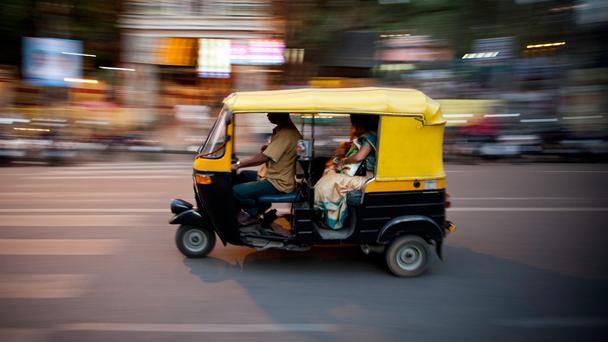
Auto drivers sit at the heart of this economy. They are navigators, translators, time managers, and local historians rolled into one. They tell you which road is flooded, which market is closed, which route saves ten minutes. Sometimes they charge extra, sometimes they undercharge. But always, they mediate the city for you. Then there are the less visible contributors: security guards who allow early entry, aunties who watch your luggage, shopkeepers who keep your bag behind the counter, tea vendors who offer advice with your cup. None of this appears on invoices, yet all of it determines whether your journey flows or fractures.
What’s remarkable is how normalized this is. These favours are not announced as kindness. They are treated as ordinary. To refuse help would be stranger than to accept it. Indian travel assumes interdependence. You are never fully on your own, even when travelling solo. This system also reflects India’s deep relationship with uncertainty. Timings shift. Routes change. Plans adjust. Instead of rigid structures, people rely on flexibility and conversation. Help becomes the lubricant that keeps movement possible in a constantly adapting environment.
Even digital travel in India bends to this logic. Apps provide information, but people still double-check with humans. Tickets are booked online, but reassurance comes from conductors. Technology exists but trust still travels person to person. There is also an ethics embedded here. Helping a traveller is not seen as charity; it’s seen as participation. Today you ask for help. Tomorrow, you give it. The roles rotate seamlessly. Travel becomes a shared responsibility, not an individual challenge.
This economy of small favours creates a different kind of memory. Travellers don’t just remember destinations; they remember people. The man who carried luggage. The woman who offered water. The stranger who walked them halfway to the bus stop. These moments become the emotional scaffolding of the journey. Of course, this system is not flawless. Misinformation exists. Exploitation happens. But even these imperfections reveal something important: Indian travel is not automated. It is negotiated in real time, shaped by mood, context, and human presence.
In a world racing toward frictionless travel, India remains stubbornly human. Movement here depends on glances, pauses, conversations, and unspoken understandings. The economy that sustains it does not show up in GDP charts, but without it, no journey would reach its destination.
To travel in India is to participate in this exchange, sometimes asking, sometimes offering, always adjusting. The road moves forward not because everything works perfectly, but because someone always steps in.
For More News updates : https://asiapedia.in