
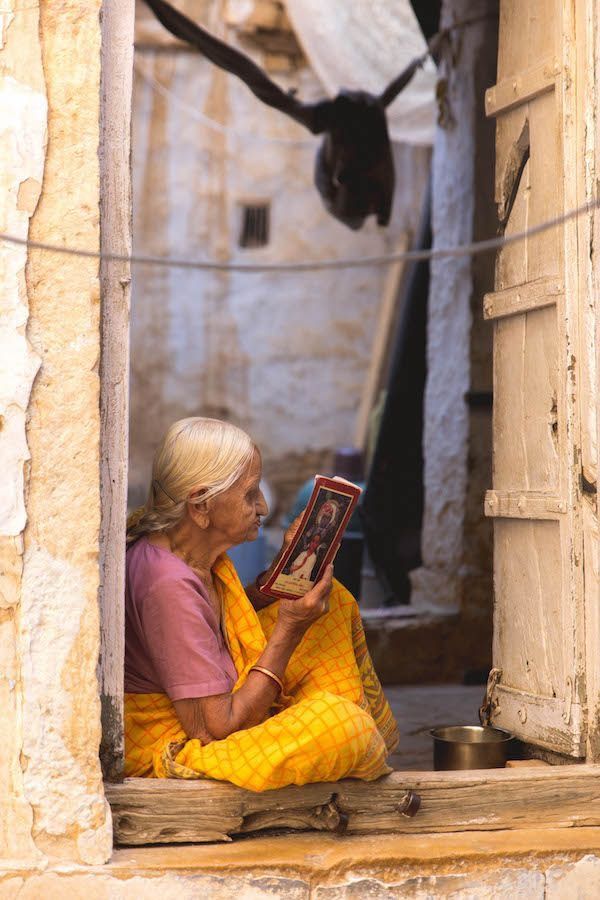
Waiting in India is not an interruption to life; it is part of life itself. Travel makes this impossible to ignore. Platforms stretch endlessly, queues coil around corners, and offices hum with people who seem deeply familiar with delay. Yet something curious happens when you stop resisting it. Waiting begins to feel less like wasted time and more like shared time.
Railway platforms are the country’s most democratic waiting rooms. Entire lives unfold while trains are late. Someone eats a full meal from a steel tiffin. Children sleep across suitcases. Vendors repeat the same call until it becomes background music. Strangers sit inches apart without conversation, bound by nothing except the agreement that this moment must be endured together.
Travel sharpens your awareness of this collective patience. At home, waiting feels personal and irritating. On the road, it feels communal. You are no longer alone in your inconvenience. The delay belongs to everyone.
Government offices deepen this lesson. Here, waiting becomes ritualistic. Papers are arranged. Chairs are claimed early. People learn where to stand, when to sit, and how to look unhurried even when urgency presses inside. Travellers notice something locals have long accepted: progress here is not linear. Time moves sideways, pauses, loops back. And yet, things eventually happen.
Religious spaces offer another dimension. Temple queues move slowly, deliberately. No one rushes the divine. Waiting becomes an act of submission rather than frustration. Feet ache, but tempers rarely flare. Travel reveals how deeply patience is woven into spiritual life in India, waiting as devotion, not delay.
What travel ultimately teaches is this: waiting strips away control. You cannot speed it up. You can only decide how to exist within it. Scroll endlessly, or observe. Resist, or surrender.
Many travellers discover that once the resistance fades, waiting becomes oddly generous. It gives space to notice faces, overhear fragments of conversation, feel the rhythm of a place without participating in it. In those pauses, India reveals itself not through monuments, but through endurance.
In a culture often accused of chaos, waiting is its quiet order. And travel, by forcing us into it, teaches patience not as virtue, but as survival.
For More News updates : https://asiapedia.in