
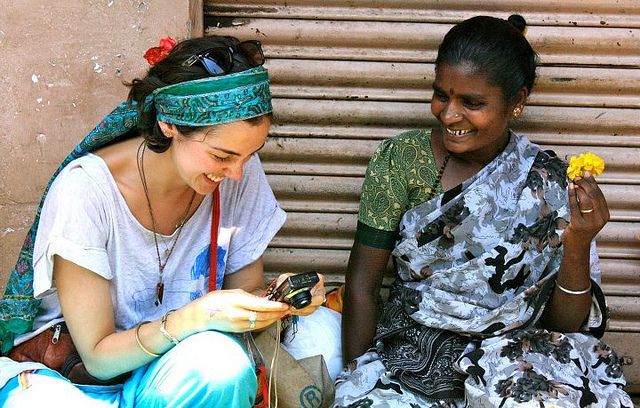
In India, travel conversations rarely begin with “What do you do?”
They begin with “Where are you from?”
The question appears everywhere: on trains, in shared taxis, at homestays, during temple queues. It is asked gently, insistently, sometimes within minutes of meeting. To outsiders, it can feel intrusive. To Indians, it is foundational.
Location in India is not geography. It is biography.
When someone asks where you’re from, they’re not just mapping your origin; they’re locating your language, food habits, festivals, climate, caste histories, and childhood rhythms. A city or village name carries centuries of social information. It answers questions you haven’t been asked yet. Travel makes this obsession visible. The moment you mention your hometown, the listener begins connecting threads. Someone has a cousin there. Someone once studied nearby. Someone knows the temple, the bus stand, and the mango variety. Hospitality often flows from this recognition. Familiarity, even indirect, creates instant warmth.
Surnames function similarly. They act as social shortcuts, revealing region, community, and migration stories. In travel settings, surnames reduce distance. They turn strangers into “our people,” even temporarily. The country is vast, but identity is relational. This habit shapes how Indians host travellers. Guests are rarely anonymous. They are contextualized. You are fed differently if you’re from the hills. Spoken to differently if you’re from the south. Given directions that assume your local knowledge, or lack of it. Belonging is adjusted, not assumed.
There is also vulnerability in this obsession. Knowing where someone is from helps predict safety, trust, and alignment in a diverse country where difference can mean risk. Location becomes a social anchor in motion.
For travellers, this constant questioning teaches something important: anonymity is rare in India. You are seen not as an isolated individual but as an extension of a place. Travel becomes less about escape and more about positioning yourself within a larger human map. Over time, you begin asking the question too, not out of curiosity, but connection. You realize that in India, to know where someone is from is often the fastest way to understand who they are.
Travel doesn’t dissolve identity here. It reveals it.
For More News updates : https://asiapedia.in