
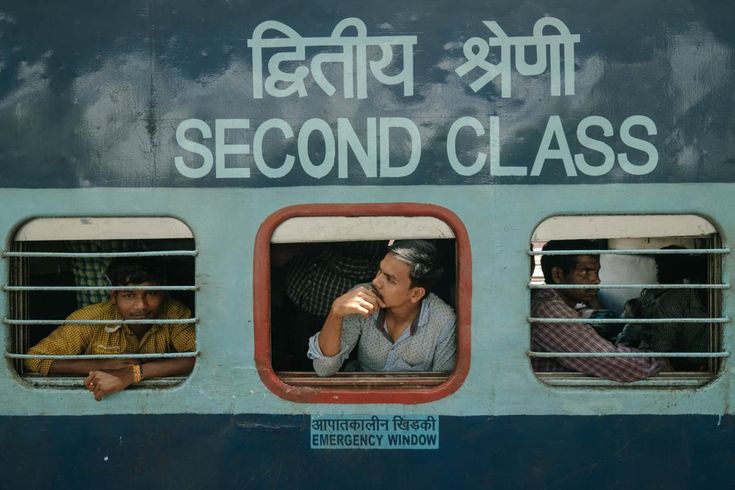
Travel is usually sold as escape. Sunsets, serendipity, self-discovery. But before any of that happens, travel begins with something far less poetic: logistics. Tickets are booked, bags are weighed, IDs are checked, rules are read and reread. Long before a place changes you, systems decide whether you are allowed to reach it at all.
This side of travel is rarely romanticized, yet it quietly controls everything.
Every journey is shaped by infrastructure. The train schedule determines when you wake up. The availability of a bus decides whether a town feels accessible or distant. Airports are not neutral spaces; they are carefully organized funnels that separate bodies into queues, categories, and permissions. Domestic. International. Economy. Priority. The act of moving is filtered through design.
Even luggage tells a story. What you carry is not just about need but about restriction. Weight limits force choices. Liquids are measured. Objects are questioned. A journey becomes an exercise in editing your life down to what fits regulation. In that process, travel reveals itself as discipline before freedom.
Borders make this clearer. A passport is not just identification; it is a summary of political privilege. Two people can stand in the same line with the same destination and experience entirely different journeys based on the document in their hands. Visas, background checks, and entry requirements shape global movement long before personal desire comes into play. Travel, in this sense, is never purely personal. It is administrative.
Waiting is another overlooked component. Waiting rooms, platforms, immigration halls, delayed gates. Travel involves long stretches where nothing happens outwardly, yet everything is being processed behind the scenes. Systems verify, cross-check, and approve. These pauses are not accidents; they are built into movement itself.
Cities, too, reveal their priorities through logistics. A city with reliable public transport encourages wandering. One without sidewalks discourages walking altogether. Timings, signage, and connectivity decide whether a place feels welcoming or exhausting. We often blame ourselves for travel fatigue, but much of it comes from navigating systems not designed with care.
Interestingly, once logistics disappear, travel feels effortless. That is often mistaken for charm or culture, when it is actually efficiency. Places that “feel easy” are usually places where movement has been thoughtfully designed. Ease is not accidental.
Recognizing the logistics of travel does not drain it of meaning. It deepens it. It reminds us that movement is collective, structured, and negotiated. Every journey rests on the invisible labor of planners, engineers, clerks, drivers, and designers who shape how bodies move through space.
Perhaps travel does not begin when you arrive somewhere new. It begins when you submit yourself to a system and move within its rules. And in understanding that, we start seeing travel not as escape, but as participation in a vast, quietly humming network that carries us forward.
For More News updates : https://asiapedia.in