
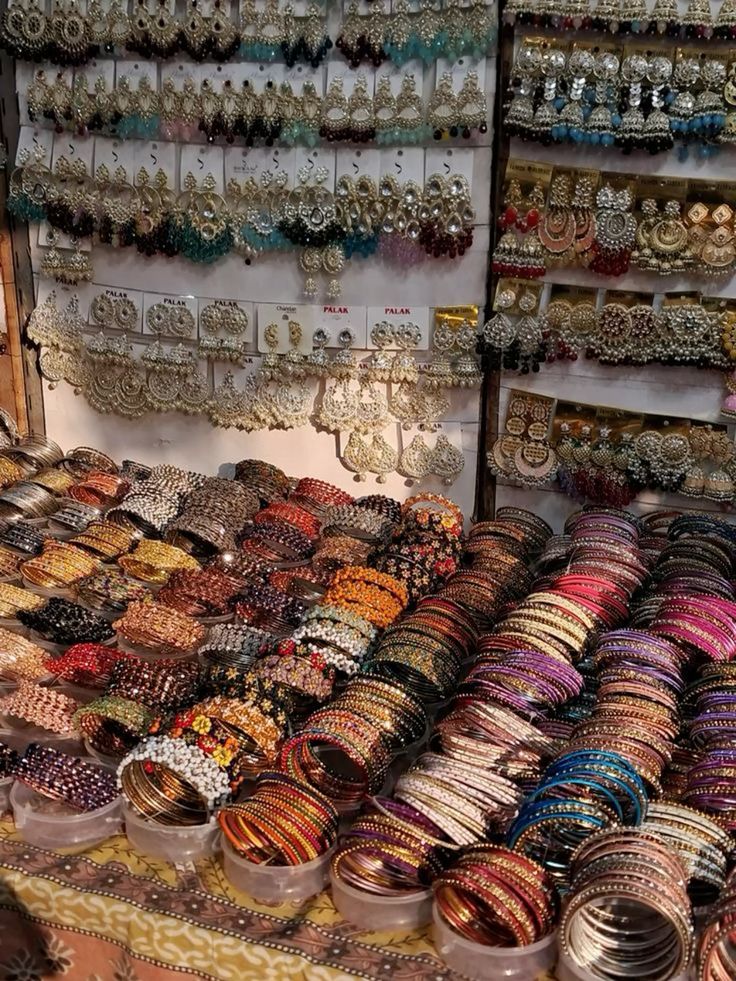
In India, souvenirs have always been tangible: brass elephants from Jaipur, handwoven shawls from Kashmir, lacquered toys from Odisha. But a new type of keepsake is emerging, one you can’t wrap or pack: habits. The rhythm of life, the way people eat, move, and interact on a trip, is increasingly the lasting gift travel leaves behind.
Consider the traveller who spends a week in a Kerala backwater village. They wake at dawn to the sound of temple bells and water lapping against houseboats. By the end of the stay, mornings at home feel incomplete without a similar quiet ritual. Tea becomes meditative, commutes more slowly, and steps more deliberately. The souvenir isn’t a carved wooden boat, it’s the slowed-down morning habit that quietly transforms daily life.
Similarly, journeys in Rajasthan’s desert villages teach patience and improvisation. Water is scarce, schedules are unpredictable, and community interactions are essential. Travellers begin to carry these small, adaptive habits home, checking in on resources, being more flexible with plans, and valuing communal problem-solving. Travel subtly rewires behavior without ever leaving a physical trace.
Urban trips produce their own imprints. A week spent exploring Kolkata or Mumbai’s old neighbourhoods teaches micro-navigation, negotiating space, and reading social cues in crowded markets and railway stations. Returning to one’s own city, travellers often move more mindfully, stand differently in queues, or prioritize interpersonal awareness. Their souvenir is social intelligence gained through travel, quietly embedded in everyday interactions.
Even food habits change. After tasting seasonal vegetables, local fermentation practices, or traditional cooking methods in Himachal Pradesh or Odisha, travellers often adjust their diets at home. They experiment with local grains, spices, or preparation techniques. A street food experience in Lucknow might inspire home cooking, reducing reliance on packaged foods. What returns is a taste of mindful eating, more sustainable and personal than any purchased trinket.
Technology itself shapes these new souvenirs. Apps that suggest low-waste hotels, walking routes, or local volunteer opportunities encourage travellers to adopt eco-conscious routines. Post-travel, these digital reminders evolve into lifestyle habits, recycling, local sourcing, and conscious commuting, proving that experiences can have practical, lasting impacts.
Even rhythms of communication shift. After staying in a village where everyone greets each other, visitors often carry this practice into their city lives. Politeness, patience, and curiosity become portable souvenirs. Conversations slow, empathy rises, and social awareness deepens. The gift of travel isn’t just aesthetic, it’s behavioral.
What’s fascinating is that these habit-souvenirs often spread organically. Friends and family notice the small changes: drinking tea mindfully, walking instead of hailing taxis, cooking seasonal meals, waking earlier, or simply observing local life more attentively. Travel subtly becomes a lifestyle editor, reshaping habits one experience at a time.
This shift also reflects the modern Indian mindset. Travel is no longer just a disruption; it’s a laboratory for better living. From small towns to metropolises, journeys are now about testing routines, adopting local rhythms, and integrating cultural wisdom into personal life. By the time the trip ends, the most valuable souvenirs aren’t sold in markets, they’re embedded in behaviour, perspective, and daily ritual.
Ultimately, Indian travel teaches that souvenirs don’t have to be objects to last forever. They can be subtle, invisible, but transformative habits that shape how we move, eat, interact, and breathe in everyday life. The gift of a trip becomes a new way of being a quiet, ongoing celebration of learning from the world around us.
For More News updates : https://asiapedia.in