
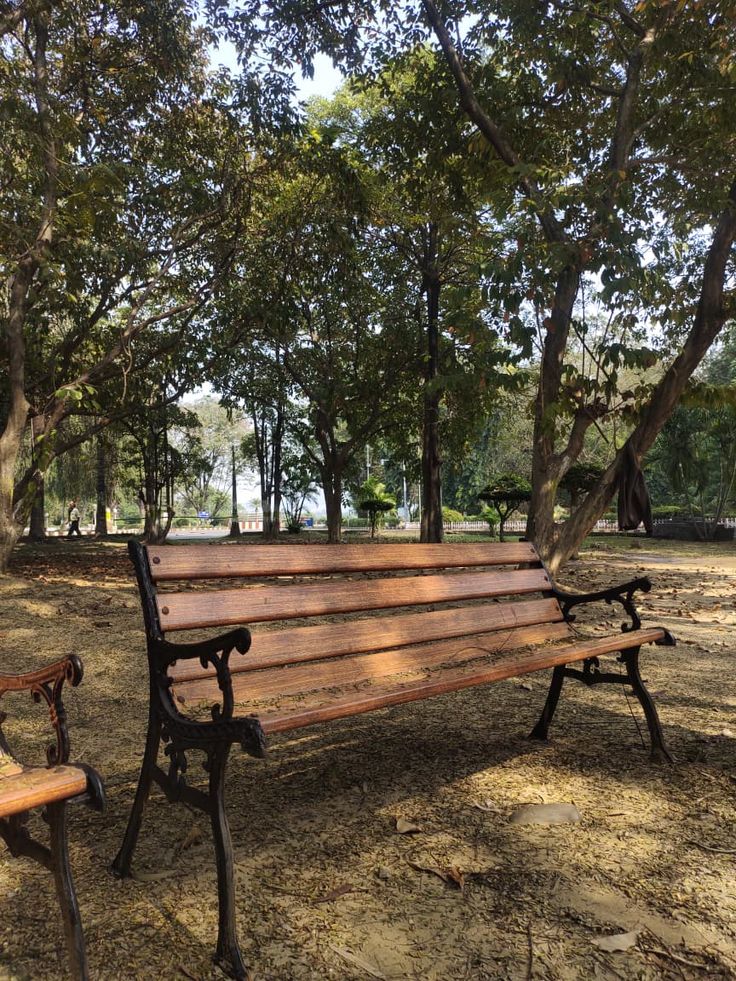
In India, where you sit is rarely accidental. It is decided before you arrive, often without a word being spoken. Chairs are offered, floors are implied, steps are negotiated, and sometimes standing becomes the most telling position of all. For a country that speaks loudly through festivals, rituals, and crowds, its seating arrangements communicate power in near silence.
Traveling through India makes this especially visible. At a roadside tea stall, the plastic chair closest to the kettle is rarely empty for long. It belongs, informally, to the stall owner or to someone who has earned familiarity through repetition. First-time visitors hover, unsure whether to claim a stool or sip standing. The difference between sitting and standing is not comfort; it is belonging.
Homes make this politics clearer. Guests are almost always offered chairs, while family members sit on beds or floors. Elders are given sofas, children settle cross-legged, and helpers remain standing unless explicitly invited to sit. These decisions happen quickly, almost instinctively, but they carry centuries of social coding. Sitting on the floor can mean humility, intimacy, or exclusion, depending entirely on who else is sitting and where.
Public transport is another classroom in unspoken hierarchy. Train compartments reveal it immediately. Lower berths become shared territory during the day, but not everyone feels equally entitled to them. Some people perch cautiously on the edge, others spread comfortably, while some remain standing even when space is available. The act of sitting down can feel like a small assertion of worth.
Bus stops tell similar stories. Elderly passengers are usually offered seats, but the offer itself becomes a moral performance. Who stands up first matters. Who pretends not to notice matters even more. Gender, age, class, and perceived respectability silently shape these exchanges.
Religious spaces add another layer. Temples, dargahs, gurudwaras, and churches often require sitting on the floor, creating an illusion of equality. Everyone is barefoot. Everyone is low. Yet even here, hierarchy finds a way. Priests sit elevated. Elders occupy shaded corners. Volunteers move freely while devotees adjust themselves around authority. The floor may level bodies, but it does not erase power.
Travel exposes how deeply this conditioning runs. In homestays, hosts insist guests take the bed while they sleep elsewhere. In village homes, visitors are guided to a woven chair while conversations unfold around them on the floor. The chair becomes a symbol of outsider status, not always privilege, but separation.
Even waiting rooms reveal social boundaries. Air-conditioned seating feels guarded, while crowded benches outside invite negotiation. Who claims space confidently and who waits for permission often reflects lifelong training rather than personality.
What makes this politics “quiet” is its politeness. Rarely is anyone told outright where to sit. Instead, cues do the work, a mat unfolded, a chair nudged forward, a gesture toward the steps. Declining or accepting these cues becomes a delicate dance. Sitting where you are not expected to sit can feel like an intrusion. Standing when a seat is offered can feel like resistance.
For travelers, noticing this changes the experience of movement. Travel is not only about landscapes and food; it is about learning where your body is allowed to rest. Over time, you begin to read rooms differently. You learn when to sit, when to wait, and when standing says more than occupying a chair ever could.
In India, seating is not furniture. It is language. And like all powerful languages, it is learned early, spoken daily, and rarely questioned, until you begin to travel with open eyes and an attentive body.
For More News updates : https://asiapedia.in