
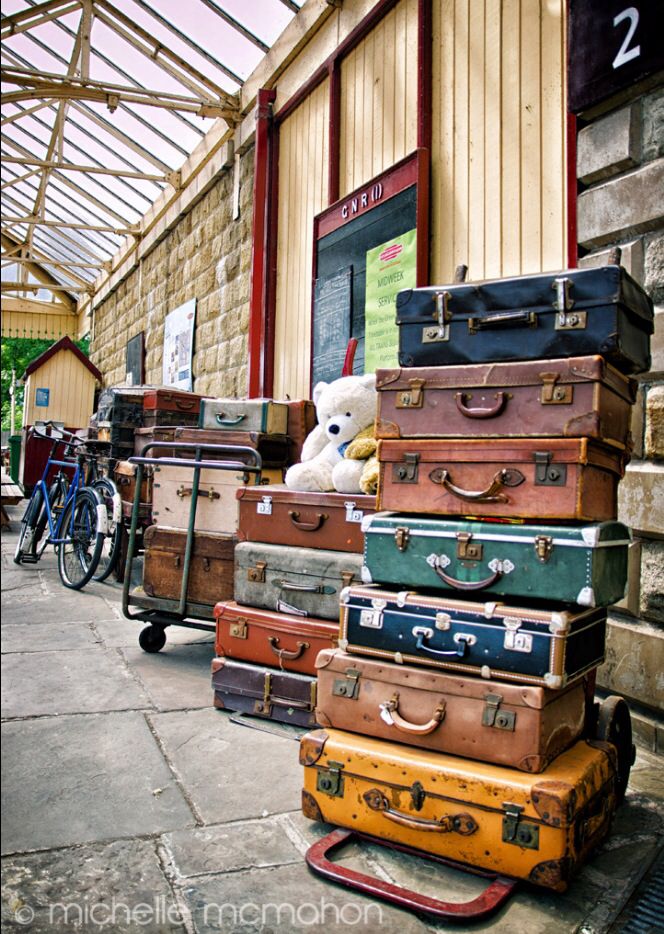
Airports, railway platforms, and bus depots, before we speak, our luggage introduces us. Bags are not just travel accessories; they are social signals, quiet storytellers rolling behind us on tiny wheels. In the world of travel and lifestyle, luggage becomes an extension of identity, class, priorities, and even emotional state.
A hard-shell suitcase with four spinner wheels often signals the frequent flyer, someone who values efficiency, organization, and predictability. A worn duffel bag with frayed handles suggests experience, resilience, and a traveler who prioritizes function over appearance. Backpacks, especially those with multiple compartments and clips, hint at mobility and independence, often associated with students, solo travelers, or long-term wanderers. Luxury luggage brands communicate aspiration, status, and curated aesthetics, turning travel into a lifestyle statement.
But luggage is not just about money or style. It reflects how we approach life. Overpackers carry emotional “just in case” thinking, fear of discomfort, desire for control, and preparedness for every possible scenario. Minimalist packers, on the other hand, often reflect adaptability, confidence, and a willingness to improvise. The psychology of packing reveals how people manage uncertainty, which is central to the travel experience.
Luggage also shapes social interaction. Strangers judge each other silently based on baggage type. A traveler with multiple heavy bags may receive unsolicited help, sympathy, or impatience. Someone carrying only a small backpack is often perceived as independent and low-maintenance. Porters, taxi drivers, and hotel staff assess luggage instantly to estimate needs, budget range, and expectations. Luggage becomes a social cue in service interactions.
There is also a powerful emotional dimension. Stickers from old destinations, faded name tags, and scratched surfaces turn bags into memory containers. Every dent carries a story: a rushed transfer, a monsoon arrival, an overstuffed return home. Unlike digital photos, luggage ages physically with our journeys, quietly archiving our movement through the world.
In modern travel culture, luggage has even entered digital identity. Travel influencers curate aesthetic luggage setups, color-coordinate suitcases, and share “pack with me” rituals. This transforms baggage from utility to performance, reflecting how travel itself has become part of personal branding.
From a lifestyle perspective, luggage highlights the tension between mobility and attachment. We try to compress our lives into portable form, deciding what is essential enough to carry. In that act, we reveal our values. Are we carrying comfort, practicality, beauty, or fear?
The next time you stand in a departure hall, look around. You will see ambition in aluminum cases, nostalgia in cloth bags, freedom in backpacks, and anxiety in overstuffed suitcases. Travel may be temporary, but luggage exposes the permanent habits we carry everywhere.
For More News updates : https://asiapedia.in