
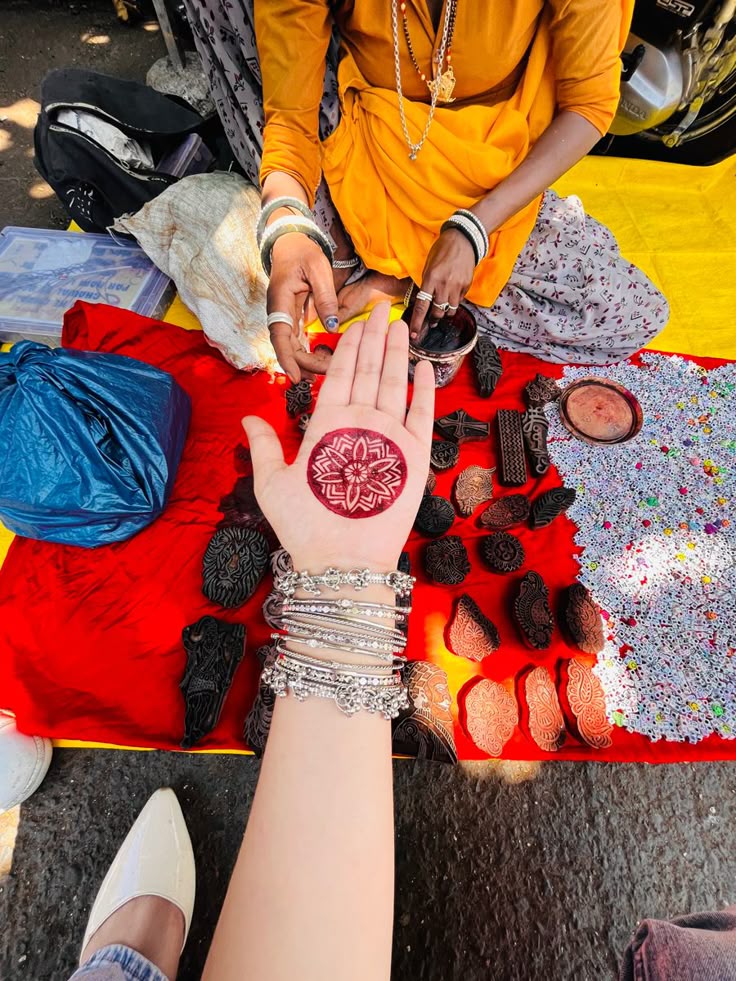
There is a moment in Indian travel when English quietly steps aside. It doesn’t announce its exit. It simply stops working. The signboards change script, the shopkeeper answers in a rhythm you can’t decode, and suddenly your most reliable tool, language, goes missing.
What follows is not inconvenience. It is transformation.
Without English, travel in India becomes physical. You speak with your hands before your mouth. A nod replaces a sentence. Tone becomes meaning. You learn that pointing is rude in some places, that raised eyebrows can mean “yes,” and that silence often carries more respect than explanation. Your body starts doing the work your words once did.
Trust sharpens. When you cannot negotiate fluently, you rely on instinct. You watch faces more closely. You learn to read pauses, smiles, and hesitation. You notice who repeats themselves patiently and who waves you away. Travel becomes less transactional and more relational. You don’t “manage” interactions, you surrender to them.
Vulnerability enters the journey. Without English, authority dissolves. You are no longer the confident traveller with rehearsed sentences. You are the one asking for help, mispronouncing names, getting off at the wrong stop. This vulnerability often invites kindness. Someone walks you to the bus instead of pointing. A stranger translates without being asked. Tea appears while you wait.
Confusion, too, becomes a teacher. You misunderstand instructions and discover unexpected places. You order the wrong thing and taste something unforgettable. You learn that precision is overrated in a country that functions on approximation and adjustment. India, without English, teaches you how little control you actually need.
What this experience quietly exposes is privilege. English usually allows you to move faster, demand clarity, and exit discomfort. Without it, you experience the India that millions navigate daily, through memory, community, and shared understanding rather than formal language. You begin to notice how power hides inside fluency.
Connection deepens when words thin out. Conversations become slower but warmer. Laughter fills gaps. People talk around meaning rather than directly at it. You may not exchange names, but you exchange presence.
Travel without English does not make India harder. It makes it truer. You stop consuming places and start participating in them. You learn that being understood is not the same as being heard, and that sometimes, not speaking at all is the most honest way to arrive.
For More News updates : https://asiapedia.in