
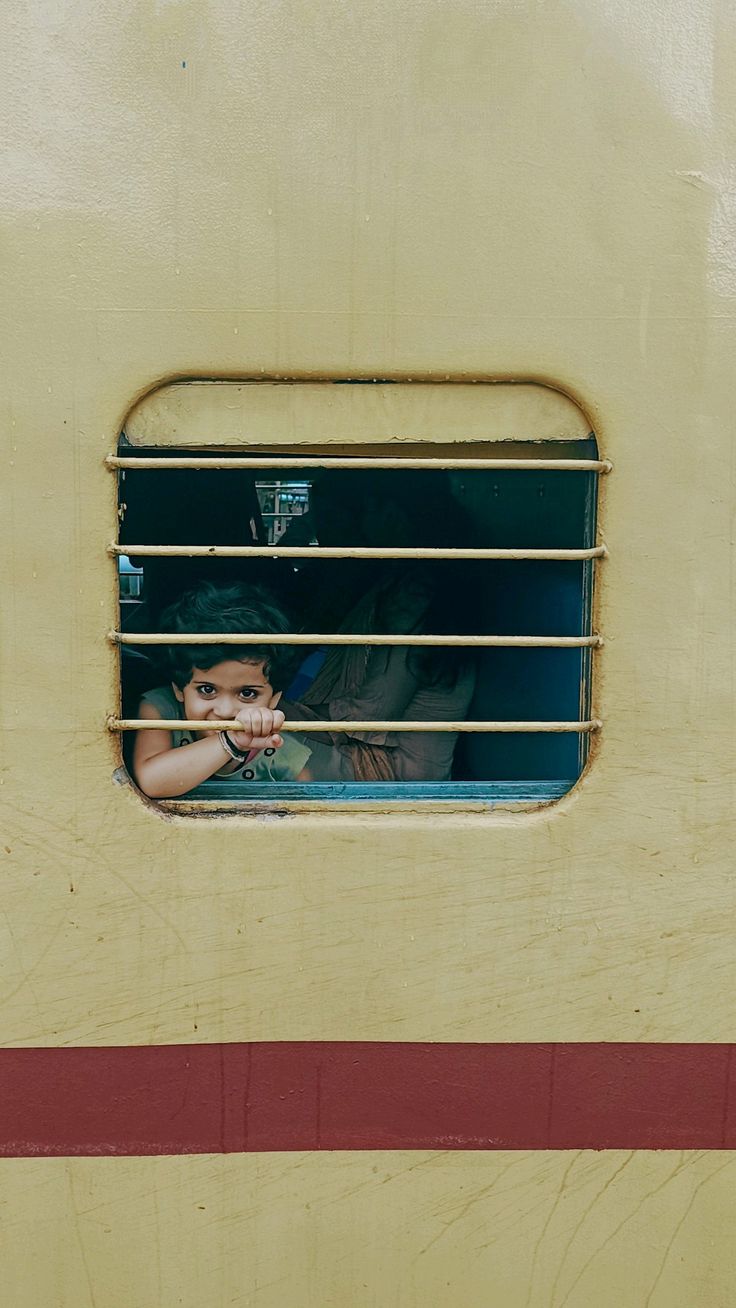
Travel in India teaches you many things: routes, patience, and adaptability. But one lesson hides in plain sight, revealed not through movement, but through stillness. It is the lesson of rest.
Who gets to sit, who stands.
Who sleeps, who stays alert.
Who rests without consequence.
Once you begin noticing this, Indian travel spaces transform into living diagrams of power.
At railway platforms, the division is immediate. Some travellers stretch out across benches, shoes off, bags serving as pillows. Others hover near pillars, perched on the edge of movement, ready to get up at the slightest signal. Porters rest on the floor, backs against walls, eyes open even when bodies are tired. Vendors lean but rarely sit fully. Their rest is conditional, interruptible.
Rest, in India, is rarely neutral.
Long-distance buses offer another classroom. Drivers nap briefly at dhabas, heads resting on steering wheels. Conductors stay half-awake, counting passengers even in sleep. Passengers recline, watch videos, close their eyes. The vehicle may stop, but responsibility does not. The ability to rest fully often depends on whether your labour continues while the vehicle pauses.
Gender deepens this divide. Women rest defensively. They sleep lightly, if at all. Their bodies curve inward, bags held close, posture alert even in exhaustion. Public rest comes with risk, and that risk shapes how much rest is allowed. Men, by contrast, stretch out more freely, occupy benches without apology, and sleep openly. These habits are not natural; they are trained.
Class adds another invisible layer. Those with access to private spaces, cars, waiting lounges, and hotel rooms rest away from public gaze. Privacy itself becomes a luxury form of rest. Others rest publicly, negotiating dignity with visibility. Sleeping on a platform is not the same as sleeping in a room, even if the body receives the same hours. The difference is social permission.
Children mirror these hierarchies early. Some sprawl across floors, legs loose, voices loud. Others sit quietly beside adults, taught not to take up space. Rest, like confidence, is inherited unevenly.
What makes travel such a powerful lens is compression. Airports, stations, ghats, bus stands, these are places where all classes, roles, and responsibilities temporarily collide. The choreography of rest becomes impossible to ignore. You see who is allowed to stop and who must remain ready.
Even leisure carries labour underneath. Housekeeping staff rest behind service doors. Security guards rest standing. Cooks rest between shifts. Their stillness is invisible, their fatigue absorbed into the system so others can relax. Over time, attentive travellers begin to feel discomfort, not guilt, but awareness. You start noticing how long someone has been standing. You hesitate before occupying a seat fully. You offer space differently. Observation alters behaviour.
This awareness does not ruin travel. It deepens it.
Indian journeys do not just take you through landscapes; they place you inside social structures in motion. Rest becomes a language, spoken through posture, position, and permission. You learn that exhaustion is universal, but relief is not. When you return home, something lingers. You notice who rests at work and who doesn’t. Who gets breaks and who must earn them. Travel sharpens your eye not for destinations, but for arrangements of power.
And once you see how rest is distributed, you cannot unsee it. That, perhaps, is the most lasting souvenir Indian travel gives you: a quieter, sharper attention to how bodies are allowed to exist.
For More News updates : https://asiapedia.in