
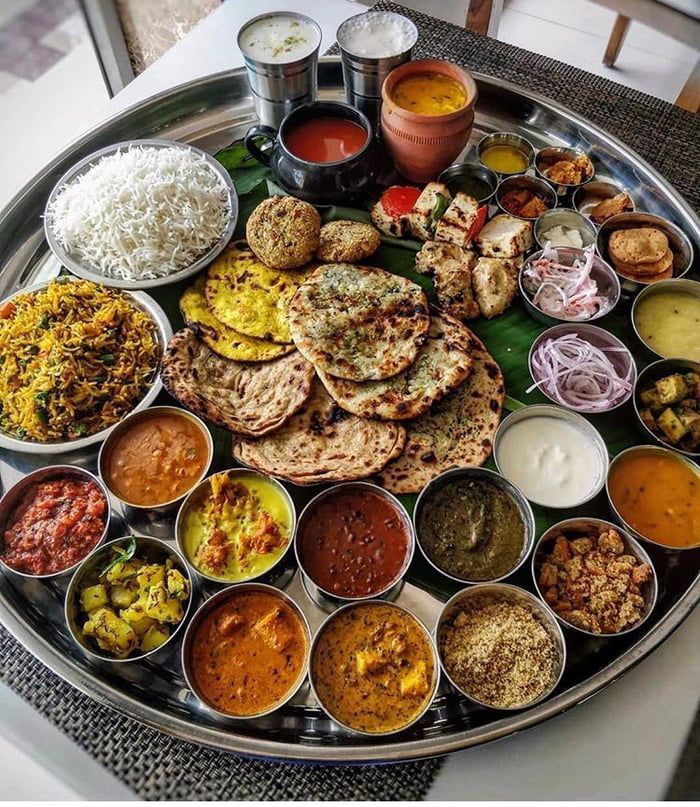
Arriving in a new place comes with uncertainty. Streets are unfamiliar. Languages shift. Directions feel abstract. But then comes food, and suddenly the place feels negotiable. In India, food is often the first bridge between a stranger and the environment.
Unlike monuments or tourist attractions, food is immediate and participatory. Eating is an act of acceptance. When travelers taste local dishes, they engage directly with the rhythms of daily life. A plate of poha at a railway stall or a banana leaf meal in a small-town eatery does more than satisfy hunger; it builds a first layer of trust.
Street food in India plays a special role in this trust-building. Despite concerns about hygiene, people instinctively look for busy stalls. Crowds signal safety. Turnover signals freshness. Social proof replaces formal certification. Trust is crowd-sourced in real time.
Food also bypasses language barriers. You may not know the local dialect, but pointing to a dish, sharing a table, or asking “spicy or not?” creates immediate communication. Meals become silent conversations where gestures replace vocabulary.
Home food carries even deeper meaning. Being invited to eat in someone’s house while travelling transforms the relationship instantly. Hospitality in India is strongly tied to feeding others. Offering food signals safety, respect, and welcome. Accepting it signals trust.
Psychologically, food reduces the stress of unfamiliarity. Familiar textures, rice, bread, and lentils, create continuity in changing environments. Even when flavors differ, the structure of the meal provides comfort.
Food markets, tea stalls, and roadside dhabas also act as social observation points. Travelers watch how locals eat, what they order, how long they stay. These patterns provide clues about the place’s pace, economy, and social dynamics. Food becomes a cultural guidebook without words.
In Indian travel, trust rarely begins with landmarks. It begins with taste. Before we trust directions, schedules, or people, we trust the meal in front of us. Through food, a strange place becomes temporarily livable, and that is often the first step toward feeling at home somewhere new.
For More News updates : https://asiapedia.in