
India has never been a casual travel choice.
For most foreign tourists, visiting India is not about ticking off landmarks quickly. It is a deliberate decision, often postponed, researched deeply, and emotionally anticipated. The country attracts visitors not because it is easy, but because it offers something many destinations no longer do depth.
One of the strongest reasons foreigners come to India is its association with inner exploration. India is globally recognised as the birthplace of yoga, meditation, and several spiritual philosophies. Towns like Rishikesh, Dharamshala, Varanasi, and Auroville attract travellers who are not simply looking for relaxation, but for discipline, learning, and transformation. Yoga here is not packaged entertainment; it is part of daily life, embedded in ashrams, riverbanks, and early-morning routines.
Closely tied to this is India’s spiritual diversity. Few countries offer living examples of so many belief systems existing side by side, Hinduism, Buddhism, Sikhism, Islam, Christianity, Jainism, Judaism, and indigenous traditions. For foreign visitors, this coexistence is not abstract. It is visible in streets, calendars, rituals, and architecture. Temples, mosques, churches, monasteries, and gurdwaras are not museum spaces but active centers of community life, which makes the experience feel authentic rather than staged.
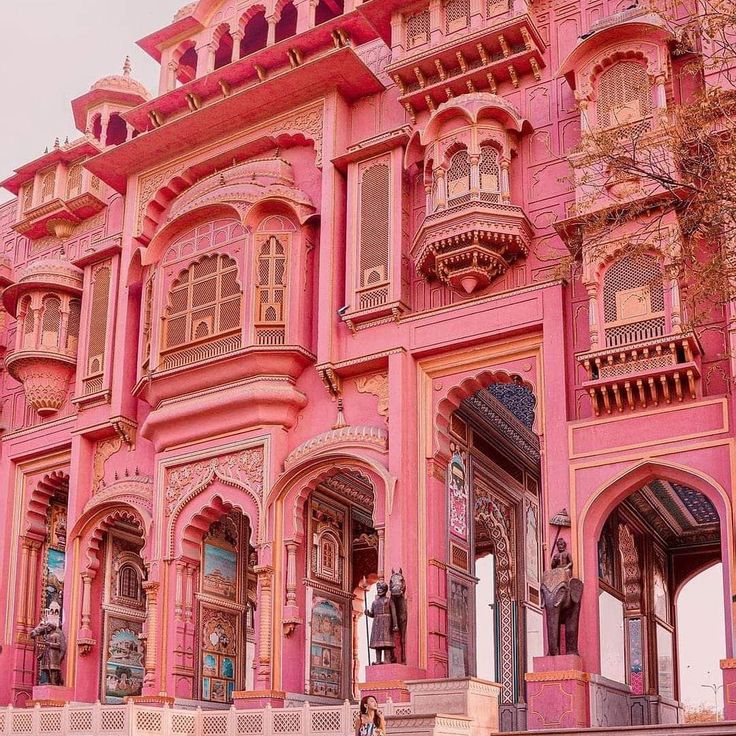
Culture is another major draw. India does not present a single cultural identity. Each state offers its own language, clothing, food habits, art forms, and social customs. For tourists, this means one country can feel like multiple journeys. A trip from Rajasthan to Kerala or from Bengal to Ladakh can feel as distinct as crossing national borders. This cultural density keeps travellers engaged for longer periods and encourages repeat visits.
Foreign tourists are also drawn to India’s everyday life, not just its heritage sites. Markets, weddings, train journeys, festivals, and street life become attractions in themselves. Ordinary activities, buying vegetables, taking public transport, attending local celebrations, offer experiences that feel unfamiliar and immersive. For many visitors from highly structured societies, India’s informal, people-driven systems are fascinating to observe.
Another practical reason is affordability. Compared to many global destinations, India allows long stays at relatively low costs. Budget accommodation, local transport, food, and learning experiences make it possible for students, solo travellers, artists, and retirees to spend weeks or months exploring the country. This affordability supports slow travel, volunteering, and study-based tourism, which continues to attract foreign visitors year after year.
India’s geographical diversity adds another layer of attraction. In a single trip, travellers can experience deserts, beaches, mountains, forests, rivers, and urban megacities. Trekking in the Himalayas, backwater travel in Kerala, desert safaris in Rajasthan, wildlife tourism in central India, and coastal life in Goa offer varied physical landscapes that appeal to adventure seekers and nature lovers alike.
Indian cuisine also plays a role, though not always in expected ways. Foreign tourists are often intrigued by regional food cultures, vegetarian traditions, spices, and cooking methods. Food becomes a way to understand climate, religion, and social structure. Cooking classes, food walks, and home meals frequently become highlights of their journeys.
Finally, what keeps many foreigners returning to India is not perfection, but intensity. India demands attention. It challenges comfort zones, slows down assumptions, and requires adaptation. For travellers seeking more than visual beauty, those looking for learning, contrast, and perspective, India offers an experience that stays long after the journey ends.
India does not promise ease. It promises experience. And for millions of foreign tourists, that promise is exactly what makes the journey worth taking.
For More News updates : https://asiapedia.in