
Indian conversations have changed, and not in the way people often assume. They haven’t become colder or less expressive. They’ve become edited. Where there were once long explanations, there are now pauses. Where people used to overtalk, they now choose words carefully or choose silence.
This shift is visible everywhere. In families where arguments end sooner. In friendships where constant checking-in has been replaced by understanding gaps. In workplaces where emails are shorter but more precise. Indians are still talking, but they are no longer filling space just to prove presence.
One reason is exhaustion. Emotional and informational overload has made constant communication unsustainable. Between work messages, social media, news cycles, and group chats, people are exposed to more voices than ever before. As a result, speech has become economical. Words are spent where they matter.
There is also growing emotional awareness. Younger generations, in particular, are more conscious of boundaries. They understand that not every thought requires explanation and not every silence indicates distance. This has reshaped how affection, disagreement, and care are expressed. Instead of long emotional speeches, people send short voice notes. Instead of daily updates, they share one meaningful message. Instead of repeated reassurance, they offer quiet consistency. Connection has shifted from quantity to quality.
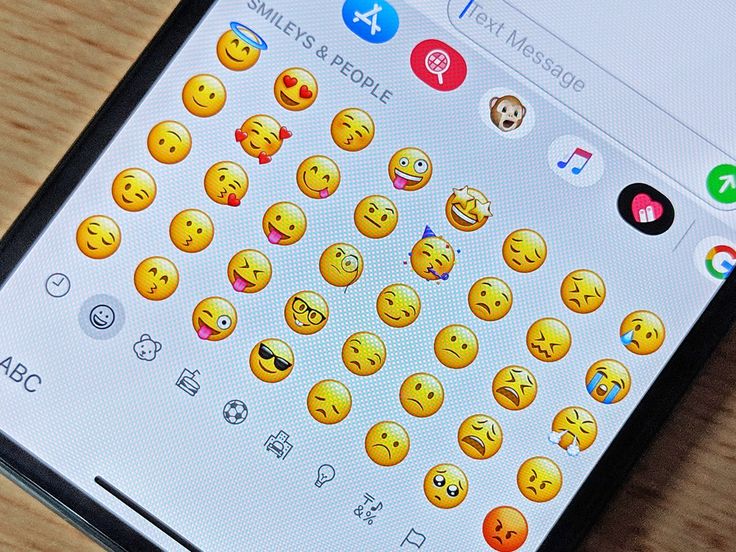
Digital spaces have accelerated this change. Online conversations reward brevity. Emojis, reactions, and single-line responses now carry emotional weight that once required paragraphs. In Indian contexts, this has blended naturally with cultural habits of implication, where much has always been understood without being said.
At home, this change is especially noticeable. Parents speak less but listen more. Children explain less but expect to be heard. Conversations around mental health, career choices, and relationships are shorter, but heavier with meaning. There is less moralizing and more acknowledging. Public spaces reflect this, too. Strangers exchange fewer words but more courtesy. Small gestures, holding a door, offering a seat, sharing a smile, replace verbal interaction. Communication is happening, just not always through speech.
Importantly, shorter conversations do not signal emotional withdrawal. They signal emotional efficiency. People are learning to protect their energy without disconnecting. They choose depth over drama, clarity over noise. This shift also explains why some people feel relationships are becoming quieter but not weaker. The absence of constant conversation no longer implies neglect. Presence is measured differently now, by responsiveness, reliability, and emotional attunement rather than frequency of contact.
India has always been a society rich in subtext. What is changing is the confidence to trust that subtext. To believe that relationships do not need constant verbal maintenance to survive.
In a culture long associated with expressiveness, this evolution is significant. It suggests maturity, not loss. Indian conversations are not disappearing; they are concentrating. And in that concentration, they are often saying more than they ever did before.
For More News updates : https://asiapedia.in