
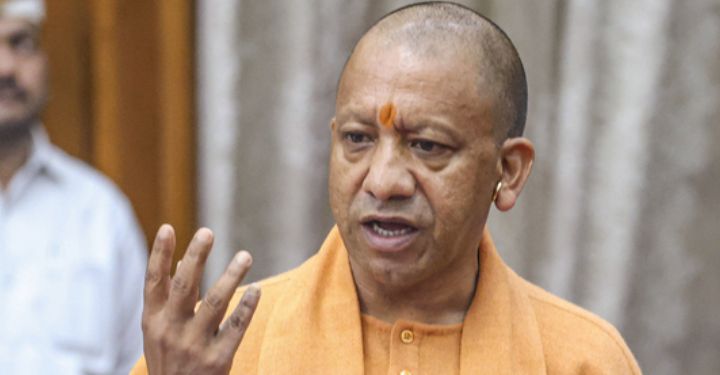
The fiery political discourse surrounding the legacy of Aurangzeb reached new heights with Uttar Pradesh Chief Minister Yogi Adityanath’s sharp retort to Samajwadi Party leader Abu Azmi. Azmi’s recent statements, which seemingly praised the controversial Mughal emperor, have sparked strong reactions, with Adityanath leading the charge against Azmi’s interpretation of history.
Adityanath’s response to Azmi’s remarks was both pointed and strategic. His comment, “Send him to UP,” not only dismissed Azmi’s views on Aurangzeb but also highlighted the ideological chasm between the BJP and the opposition. In Adityanath’s Uttar Pradesh, which has become a stronghold for Hindu nationalist politics, the Chief Minister’s leadership style is unapologetically assertive and rooted in a vision of India that prioritizes Hindu identity.
The historical debate over Aurangzeb’s rule has been a long-standing issue in India, especially in light of the country’s complex religious and political landscape. While many see Aurangzeb as a tyrant who imposed Islamic rule over a majority Hindu population, others argue that his reign was marked by pragmatism and military success, even as it was marred by policies of religious persecution.
Adityanath’s challenge to Azmi is emblematic of his broader political strategy. By invoking the culture and values of Uttar Pradesh, Adityanath effectively turned the conversation from a historical debate into a political one, where issues of identity, religion, and governance are at the forefront.
As the debate over Aurangzeb rages on, this incident once again underscores the deepening political divisions in India, where historical interpretation is often shaped by contemporary political goals.
For More News updates : https://asiapedia.in