
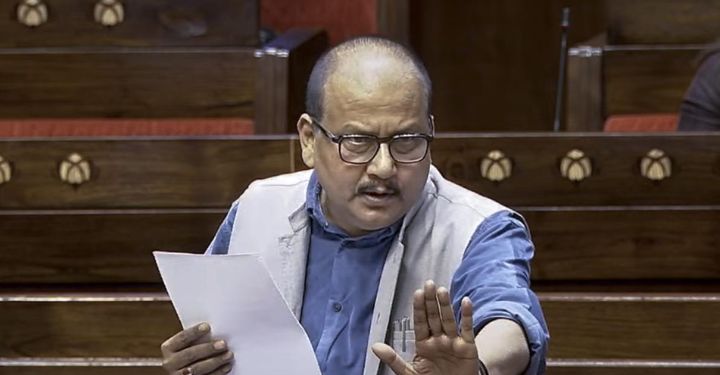
On Day 5 of the Budget Session, Manoj Jha highlighted the “silent crisis” of medical poverty that is affecting millions of Indians. In his speech, Jha stated that the increasing financial burden of healthcare is plunging people into deeper poverty, especially in rural and underserved communities. He argued that medical poverty has become a significant issue that needs urgent government intervention, given its devastating social and economic consequences.
Jha drew attention to the vast inequality in the quality of healthcare between urban and rural areas, pointing out that while the urban rich can afford the best healthcare services, the poor in rural areas are forced to either go without treatment or face financial ruin. He demanded a comprehensive policy to address medical poverty, such as expanding health insurance coverage, investing in rural healthcare infrastructure, and reducing the cost of essential medicines.
This article would discuss the concept of medical poverty and its implications on India’s socioeconomic fabric. It would analyze government schemes aimed at curbing medical poverty, such as the National Health Protection Scheme (NHPS), and explore potential solutions to the problem. Experts on public health and economists would weigh in on the long-term consequences of ignoring medical poverty and its relation to overall poverty.
For More News updates : https://asiapedia.in