
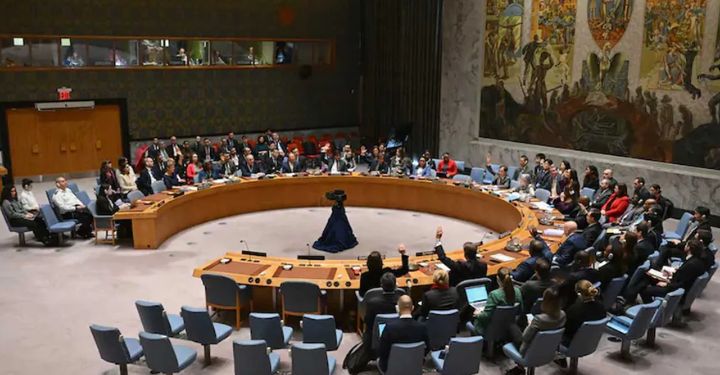
The deadly terrorist attack in Pahalgam has jolted the international community into acknowledging a painful truth: the lack of a centralized, coordinated global intelligence-sharing platform is hampering efforts to prevent such tragedies. As the world mourns the loss of 26 innocent lives, security experts and global leaders are calling for an overhaul in how nations track and share terror-related intelligence.
The Attack That Sparked a Global Alarm
On April 22, militants attacked a trekking group near the scenic Pahalgam region, using guerrilla tactics and automatic weapons. The attackers had evaded radar by crossing rugged terrain and using secure communications. Preliminary investigations have linked them to a transnational terror network, suspected of having cross-border support.
The sophistication of the planning and execution has led analysts to conclude this was not a standalone event—but part of a wider pattern of coordinated militant activity.
Lack of Shared Intelligence: A Glaring Gap
Despite having multiple international intelligence alliances (like Five Eyes, NATO, and INTERPOL), there remains no single, real-time global counterterrorism intelligence platform. As one Indian official stated, “We’re still trying to connect dots after an attack happens. The goal should be to connect them before.”
India Proposes Global Terror Intelligence Grid
India, in collaboration with the UAE, Australia, and France, has proposed the creation of a Global Terror Intelligence Grid (GTIG) under the oversight of the UN. The system would allow:
- Real-time flagging of suspicious activities.
- Tracking of terror financing, online radicalization, and border movements.
- Encrypted, secure communication channels between national agencies.
Backing from Allies
Several nations have supported the proposal:
- Israel and Germany have pledged cyber and technological expertise.
- The U.S. Department of Homeland Security has offered cooperation via its Fusion Centers network.
- African and Latin American nations, often left out of elite security frameworks, welcomed the proposal for its inclusive and cooperative structure.
UN Reaction
The United Nations Office of Counter-Terrorism has expressed interest in evaluating the feasibility of such a system. A working group is expected to be formed within the next quarter to study the proposal’s technical and diplomatic aspects.
Cybersecurity and Privacy Concerns
While the idea is gaining support, concerns over data security, sovereignty, and misuse remain. Advocates argue these risks are outweighed by the benefits of lives saved and threats neutralized.
Conclusion
The Pahalgam terror attack has laid bare the shortcomings in current global intelligence cooperation. The proposed intelligence grid may not be an immediate fix, but it represents a vital step toward a safer, more proactive world order.
For More News updates : https://asiapedia.in