
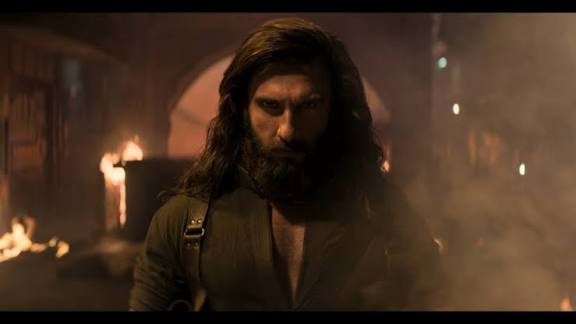
The recent cinematic phenomenon Dhurandhar has sparked a complex dialogue that transcends its high-octane action sequences and gritty espionage plot. While the film’s narrative largely operates within the rigid framework of modern geopolitical friction, its soundtrack tells a radically different story. Specifically, the repurposing of the legendary qawwali, “Na To Karvan Ki Talash Hai,” serves as a profound sonic contradiction. It engages with a shared cultural heritage—one that the film’s script seemingly strives to ignore.
The Ghost in the Machine: A Musical Lineage
To understand the weight of this engagement, one must look at the “genetic code” of the song. Most modern audiences recognize the 1960 classic from the film Barsaat Ki Raat. However, the melody’s roots extend much deeper into the soil of the subcontinent. This Dhurandhar qawwali finds its origins in the traditional performances of Pakistani masters like Ustad Mubarak Ali Khan and Ustad Fateh Ali Khan.

By integrating this specific melody into a film centered on cross-border infiltration, director Aditya Dhar unintentionally creates a “sonic bridge.” Even as the visual medium emphasizes the “border” as a site of trauma, the music dissolves that very boundary. The aural experience reminds the listener of a time when the spiritual and musical languages of South Asia were not divided by the Radcliffe Line. This musical choice forces the audience to confront a shared heritage that exists outside of political hostility.
Narrative Erasure vs. Auditory Memory
The central paradox of Dhurandhar lies in its “Historical Amnesia.” The film focuses on the clinical efficiency of intelligence agencies and the brutal realities of the ISI-RAW shadow war. It portrays Karachi through a lens of tactical geography rather than cultural kinship. However, the moment the heavy, bass-infused reimagining of the qawwali begins, it triggers a deep-se Memory” in the audience.
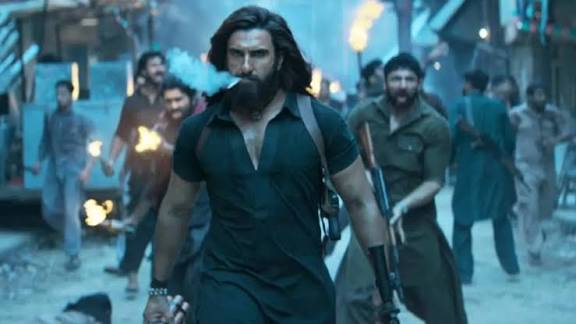
This phenomenon is what scholars call “Liminal Dissonance.” The film’s logic tells you that the “other” is a threat, but your ears recognize that “other” as the source of your most soulful art. The qawwali is a genre rooted in Sufism and the concept of Fana (annihilation of the self in divine love). In Dhurandhar, it is repurposed to heighten the “cool factor” of a hardened spy. Yet, the spiritual residue of the original remains. It whispers of a shared mysticism that predates the theocratic and democratic labels used in the film’s dialogue.
Weaponizing Nostalgia through Sound
The film “weaponizes” this Pakistani-origin music as narrative grammar. By layering electronic beats and metal riffs over Sahir Ludhianvi’s timeless lyrics, Dhurandhar makes the ancient feel contemporary. But in doing so, it inadvertently preserves the very shared heritage it purports to distance itself from.
The viral success of the track among younger generations in both India and Pakistan proves a vital point. While political narratives can be partitioned, “Sonic Cartography”—the mapping of a culture through sound—cannot be so easily divided. The music functions as a subconscious protest against the film’s own divisive storytelling.
Conclusion: The Unintended Archive
Ultimately, the use of qawwali in Dhurandhar serves as an unintended archive of our shared cultural past. It proves that even in a climate of geopolitical skepticism, the cultural DNA of the subcontinent remains intertwined. The film might ignore this history in its screenplay, but it breathes life into it through its speakers.
The music doesn’t just accompany the action; it subverts the film’s own politics. It stands as a stubborn, beautiful reminder that our greatest artistic triumphs are those we built together. For a film about borders, its music proves that in the realm of art, no such borders exist.
For More News updates : https://asiapedia.in