
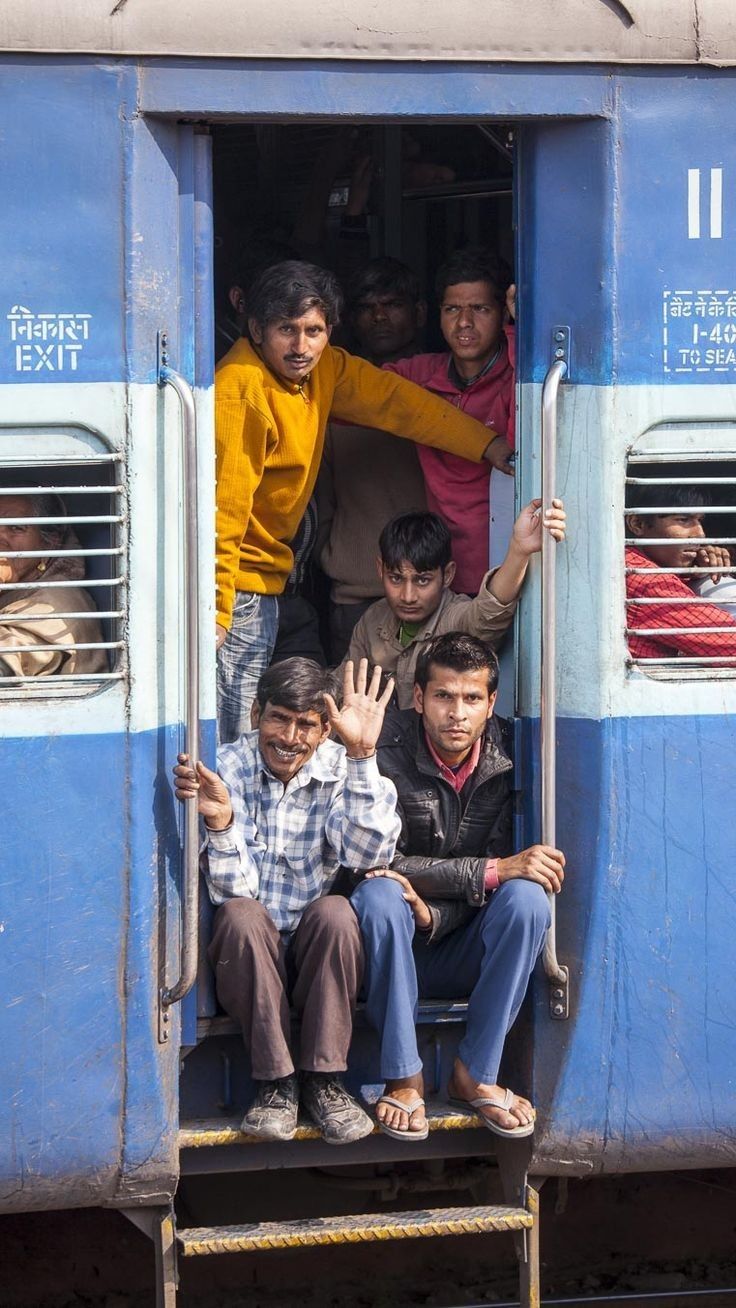
India does not come with an instruction manual, yet it functions through a highly developed system of informal rules. These are not laws or regulations, but learned behaviours, understood through observation, repetition, and subtle correction. Travel across India often becomes a lesson in cultural literacy rather than navigation.
One of the first unwritten rules concerns waiting. Queues exist, but not always linearly. At bus stops, ticket counters, or temple entrances, proximity often matters more than order. Locals understand how to position themselves without confrontation, how to signal intent without words. Tourists may see disorder; residents see an alternative logic at work.
Silence, too, operates differently. In shared travel spaces, trains, waiting rooms, and long-distance buses, silence is not always awkward. It can be respectful, companionable, or simply practical. Conversation may begin suddenly, deeply, and end just as abruptly, without social discomfort. Understanding this rhythm is part of moving comfortably through Indian spaces.
Another rule governs assistance. Help is often offered before being requested, especially in moments of visible confusion. Directions may be imprecise but well-intentioned. Refusing help too directly can appear rude, while accepting it does not necessarily create obligation. These exchanges function as social lubrication rather than transactional acts.
Food and drink play a role even when not consumed. Declining tea repeatedly may require explanation. Accepting it once often ends the negotiation. Knowing when refusal is symbolic rather than literal is a learned skill that travel sharpens.
Personal space is elastic. Crowded transport compresses bodies, but this compression rarely carries hostility. The absence of apology does not imply disrespect; it reflects a shared understanding of spatial limits. Visitors learn that discomfort does not always equal conflict.
Language itself follows unwritten rules. Mixing languages mid-sentence, adjusting tone rather than vocabulary, and using relational terms like “bhaiya” or “aunty” are forms of social navigation. These linguistic shifts smooth interactions across regions and hierarchies.
From a lifestyle standpoint, these informal instructions are what allow India’s density and diversity to function daily. They are passed through observation rather than teaching, through correction rather than explanation. Travelling within India accelerates this learning process because movement exposes individuals to unfamiliar variations of familiar rules.
These unwritten codes rarely appear in guidebooks because they resist standardisation. Yet mastering them often determines whether travel feels exhausting or intuitive.
India is not difficult to navigate because it lacks structure. It is complex because much of its structure is invisible. Learning to read these informal manuals is less about becoming local and more about becoming attentive.
For More News updates : https://asiapedia.in