
Not all places in India ask you to stay. Some exist only to move you along.
These are the spaces built for transition rather than belonging: railway junction towns, highway edges, ferry ghats, industrial bypasses, pilgrimage stopovers. They rarely appear on travel lists, yet millions of lives pass through them every day. Their purpose is not beauty or comfort, but flow.
Consider railway junction neighbourhoods. Outside major stations, entire micro-economies thrive on short encounters: tea vendors who never learn names, lodges rented by the hour, barbers serving people who will never return. These places reset themselves constantly, shaped by arrivals and departures rather than residents. They function like waiting rooms stretched into towns.
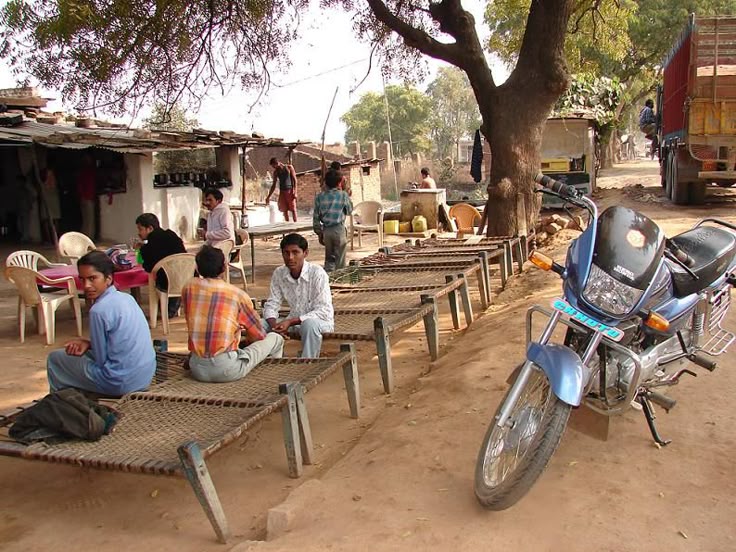
Highway settlements operate similarly. Located at fuel stops, toll zones, and transport intersections, these areas are designed for pause, not permanence. Dhabas, repair workshops, roadside shrines, and resting sheds cater to truck drivers, migrant workers, pilgrims, and long-distance travellers. The rhythm here is dictated by traffic patterns and night movement, not daylight routines.
Ferry points along rivers and coasts create another form of transit space. These ghats are rarely destinations in themselves. They exist to connect one bank to another, one road to the next. Yet around them grow tea stalls, ticket offices, cycle rentals, and temporary markets. Life here unfolds in short intervals, synced with boat arrivals rather than clocks.
Industrial outskirts also fall into this category. Workers pass through daily, but few stay beyond working hours. These areas are filled with hostels, canteens, transport vans, and temporary housing, functional landscapes built around shift timings. The environment feels unfinished by design, always ready to be altered or expanded.
From a travel perspective, these spaces challenge the idea that places need stories to be meaningful. Their significance lies in utility. They reveal how India prioritises the movement of labour, goods, pilgrims, and services over aesthetic permanence.
Tourists often overlook such locations because they resist romanticization. There are no monuments asking to be photographed, no narratives curated for visitors. Yet observing these places offers insight into how the country actually works. They show how infrastructure supports everyday survival rather than leisure.
Lifestyle-wise, transit spaces teach adaptation. People here master brief interactions, temporary trust, and emotional detachment. Relationships are functional, efficient, and short-lived. Comfort comes from familiarity with systems rather than surroundings.
India’s transit places remind us that not all journeys require destinations. Some spaces exist simply to keep the country moving, and in doing so, they quietly hold it together.
For More News updates : https://asiapedia.in