
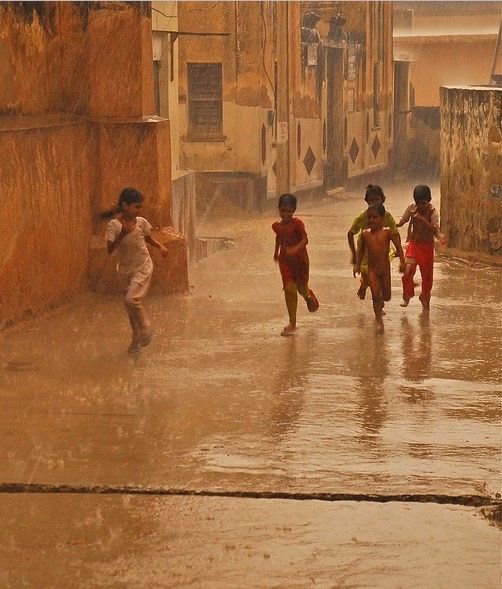
Indian cities are rarely still, but there are moments when movement slows, not because people stop living, but because they are waiting. Waiting for rain, for exam results, for election outcomes, for court decisions, for delayed trains, or for a festival date to arrive. These periods of anticipation quietly reshape urban life.
Waiting in India is not empty time. It is active, social, and deeply visible.
Before the monsoon arrives, cities hold their breath. Dust gathers on roads, construction pauses midway, and conversations revolve around the sky. Travel plans remain tentative. Weekend getaways are postponed. Farmers, commuters, shopkeepers, and households all operate in a state of preparation without action. The city feels suspended, neither fully functional nor stopped.
Exam result season produces another kind of waiting. College towns and urban neighbourhoods shift emotionally. Cyber cafés see increased footfall. Coaching centres grow quieter. Families delay travel decisions, house moves, and even celebrations. Cities become emotionally dense spaces where anticipation is shared, even among strangers.
Election periods transform cities physically and psychologically. Posters appear, vehicles slow, security checkpoints multiply. Government offices operate cautiously. Long-distance travel becomes unpredictable as routes are diverted. The city becomes alert, measured, and slightly restrained. Everyone is moving, but carefully.
Transport delays create micro-worlds of waiting. Railway stations, bus terminals, and airports fill with people whose plans are temporarily paused. These spaces become social in unexpected ways. Conversations start easily. Time stretches. The city leaks into these transit zones, bringing food vendors, announcements, and informal negotiations.
Waiting also shapes neighbourhood routines. During festival build-ups, shops stock slowly, homes postpone deep cleaning, and families avoid long trips. The city prepares without celebrating yet. There is an awareness that time is moving toward something, but has not arrived.
From a travel perspective, visiting Indian cities during these waiting phases reveals a different tempo. Attractions remain open, but attention is elsewhere. Locals are present, but preoccupied. The city operates in half-focus, oriented toward the future rather than the present.
Lifestyle-wise, waiting is a learned skill. Indians grow accustomed to living alongside uncertainty. Plans remain flexible. Conversations replace action. Time is filled with speculation, preparation, and adjustment rather than frustration alone.
These periods show that cities are not only shaped by events, but by the moments before them. Waiting becomes a collective experience, silently synchronizing millions of lives.
To travel through an Indian city while it waits is to witness anticipation as a cultural force, one that slows time, softens urgency, and reshapes everyday behavior without announcing itself.
For More News updates : https://asiapedia.in