
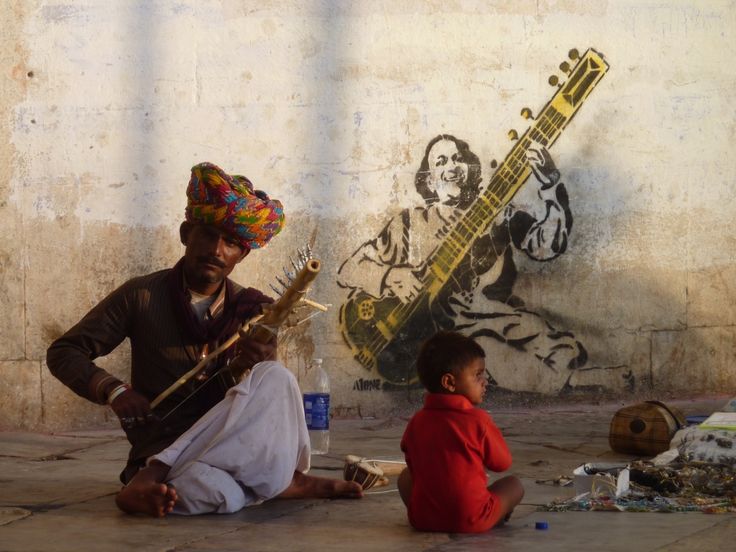
Travel in India has long been mapped around geography, mountains, beaches, monuments, food trails. But increasingly, a quieter shift is taking place. For many travellers, art itself is becoming the destination.
Not art as display, but art as practice. Art that exists in homes, streets, courtyards, workshops, rituals, and temporary spaces. Art that is not visited once and photographed, but encountered slowly, often unexpectedly, and remembered for how it made you pause.
This kind of travel does not begin with a checklist. It begins with curiosity.
Across India, art is inseparable from place. You cannot lift it out without losing meaning. A painting style belongs to its soil. A performance belongs to its season. A craft belongs to its rhythm of work. When travellers start following art, they are no longer moving just across distances, they are moving across ways of life. What makes art-driven travel different is that it demands time. You cannot rush a weaving town. You cannot “cover” a performance tradition in an hour. You must stay, observe, and often return. Art refuses efficiency.
In many regions, travellers arrive not to see finished pieces but to witness process. Watching someone prepare materials, repeat gestures learned over decades, or explain a mistake with quiet seriousness reveals more than any gallery label ever could. Art here is not dramatic. It is disciplined. This changes the role of the traveller. You are no longer a consumer of culture but a guest in it. Observation becomes participation. Respect replaces expectation.
Art also redraws the tourist map. It pulls attention away from capital cities and famous landmarks toward small towns, border regions, and overlooked landscapes. Places previously considered “stopovers” become destinations because something meaningful is happening there, something that cannot be replicated elsewhere.
Another reason art-led travel feels urgent today is because many of these practices are fragile. Not dying, but vulnerable. They survive through repetition, relevance, and support, not nostalgia. Travellers who engage responsibly contribute not by buying souvenirs alone, but by recognizing value where it is often ignored. Yet this form of tourism is not about rescue. It is about relationship. Art does not exist to be saved; it exists to be continued. Travellers who approach it as equals, listeners rather than collectors, become part of that continuation.
There is also a personal shift that occurs. When art becomes the reason to travel, journeys feel less exhausting. You stop chasing experiences and start absorbing them. Days are structured around waiting rather than rushing. Silence becomes part of the itinerary. You notice things differently. How light falls in a workspace. How stories change depending on who tells them. How art survives not through innovation alone, but through restraint. You learn that repetition is not stagnation, it is memory in motion.
This kind of travel leaves no dramatic climax. There is no single moment you post about. Instead, it stays with you quietly. In how you notice patterns later. In how you listen more. In how you understand that creativity does not always want attention, it wants continuity. When art becomes the reason to travel across India, the country reveals itself not as a spectacle, but as a living archive. One that is not frozen in the past, but breathing, adapting, and deeply human.
And once you begin travelling this way, it becomes difficult to return to travel that only looks outward.
For More News updates : https://asiapedia.in