
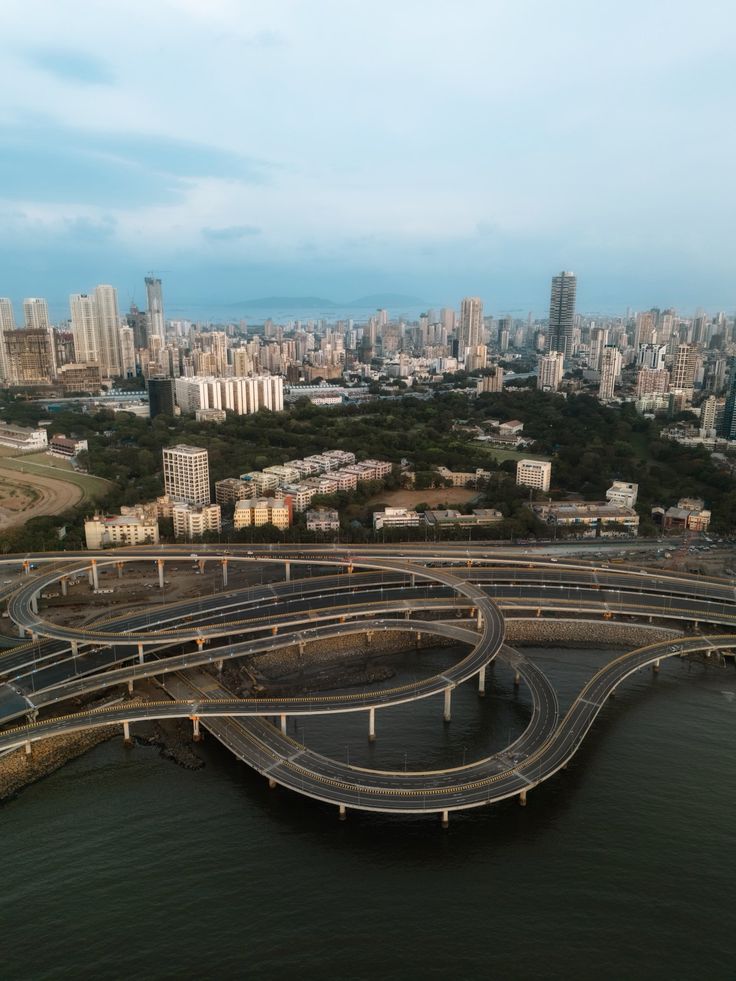
In contemporary India, travel often begins before desire. It begins with access.
New expressways upgraded rail corridors, regional airports, ropeways, and smoother last-mile connectivity have quietly rewritten the mental map of the country. Places that once felt abstract or distant now feel practical, not because their appeal changed, but because the effort required to reach them collapsed.
This has produced a subtle but powerful shift: destinations are increasingly chosen after routes, not before. People travel because the road is good, the train is fast, or the airport is nearby. Infrastructure doesn’t just support travel anymore, it generates it.
This is visible in weekend mobility. Cities linked by expressways experience a new kind of casual travel, not holidays, but movement. Short stays replace long vacations. Towns become extensions of urban life rather than escapes from it. Travel becomes logistical rather than aspirational.
Railways reinforce this pattern. Faster, more reliable trains compress time in ways that change behaviour. An overnight journey that once demanded planning now feels routine. Stations become nodes of circulation rather than thresholds of departure.
What’s important here is not speed, but predictability. Infrastructure reduces uncertainty, and uncertainty is often the real barrier to travel. When people know how long something will take, how safe it will be, and how exhausting it will feel, they are more willing to go.
This also redistributes tourism. Secondary towns gain visitors not through promotion, but through proximity. Cafés, homestays, and service economies emerge along routes, not destinations. Travel follows lines of efficiency.
In this environment, intention adapts to possibility. People don’t stop wanting to travel, but what they want is shaped by what infrastructure makes easy.
India’s travel future, in many ways, is being poured in concrete.
For More News updates : https://asiapedia.in